Pump & Rotating Equipment Facilities EPCM | Calgary & Houston
From Calgary, Alberta to Houston, Texas, Tundra Engineering delivers integrated pump and rotating equipment EPCM services supporting energy, municipal, industrial, and utility infrastructure across North America and the global energy industry. Our teams provide practical pump and rotating equipment selection, system design, and implementation support to ensure fluid handling systems operate reliably under real process conditions.
Selecting the correct pump and rotating equipment technology is critical for maintaining throughput, protecting equipment, and minimizing lifecycle cost. As part of Tundra Engineering’s EPCM delivery model, we align front-end engineering, procurement coordination, and construction management to deliver pump and rotating equipment systems that integrate smoothly into both new facilities and brownfield upgrades.
Pump and Rotating Equipment Selection & System Engineering
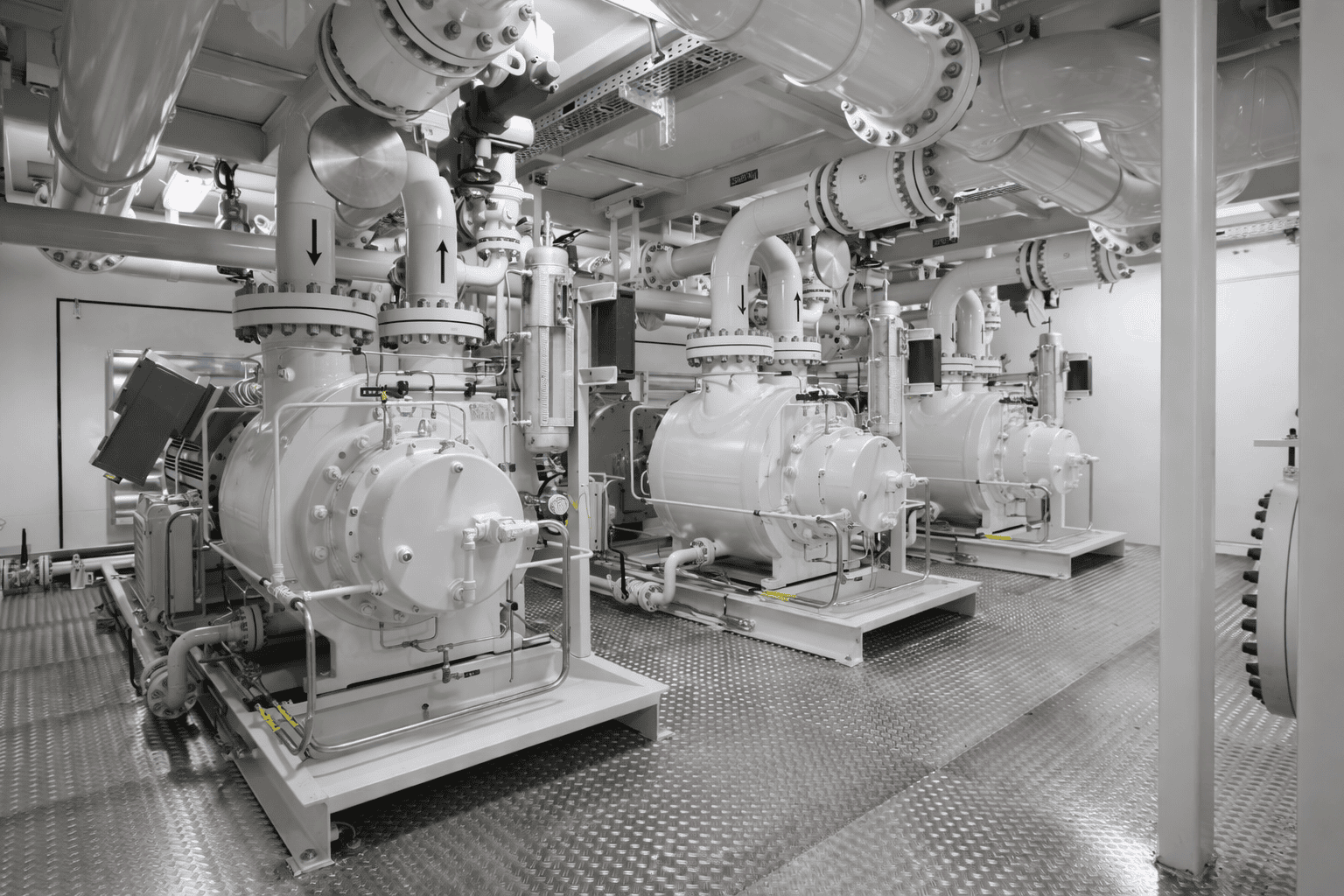
Effective pump solutions require careful evaluation of fluid properties, pressure requirements, flow ranges, and operating constraints. Tundra Engineering supports a wide range of pump and rotating equipment categories to match diverse energy and industrial applications.
Our engineering teams routinely specify:
- Centrifugal pumps for high-flow, moderate-head service
- Positive displacement pumps for high-pressure or viscous fluids
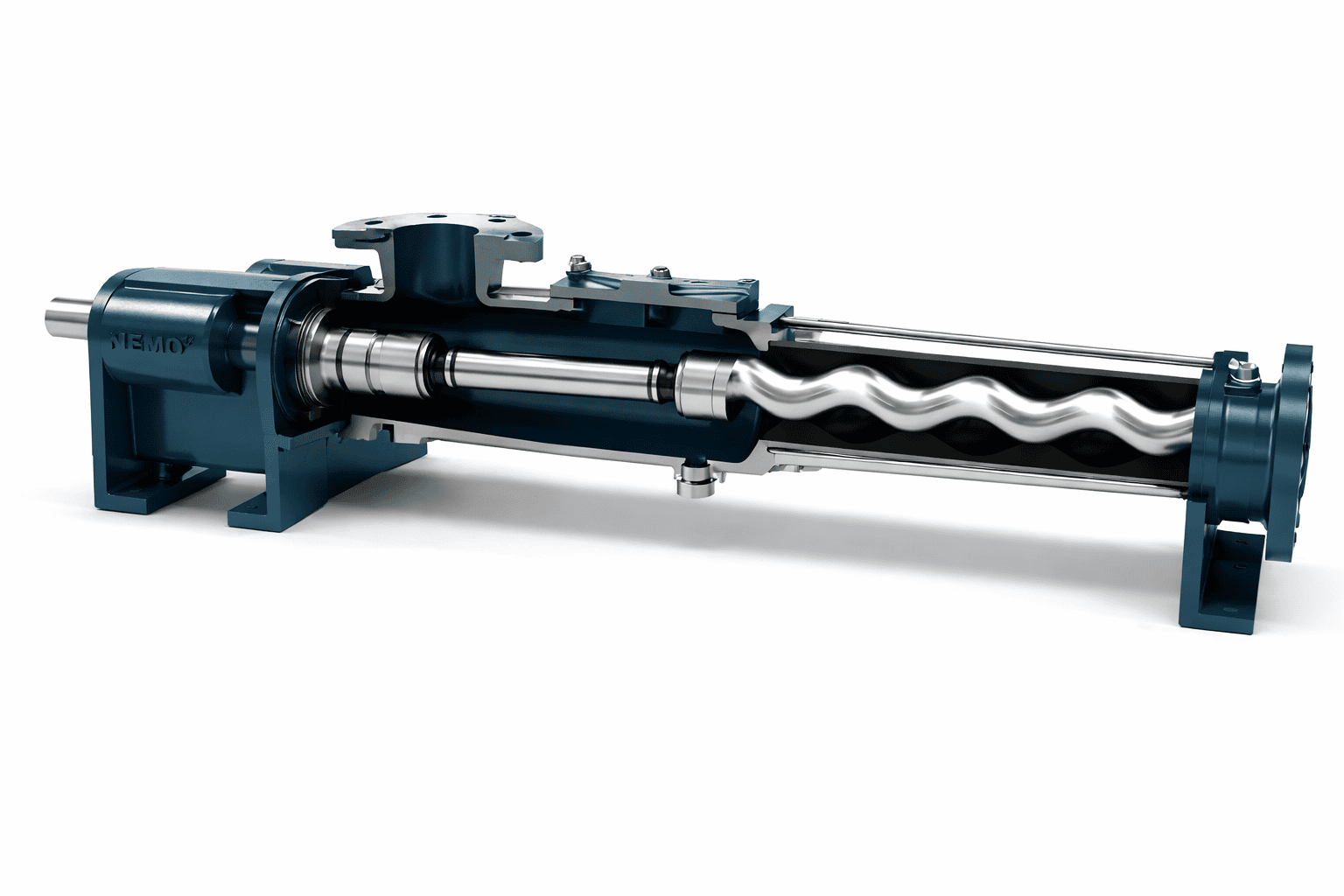
- Progressive cavity pumps for multiphase and solids-bearing service
- Screw pumps for smooth, low-pulsation transfer
- Horizontal high-pressure multistage (HPS) pumps for pipeline boosting and injection
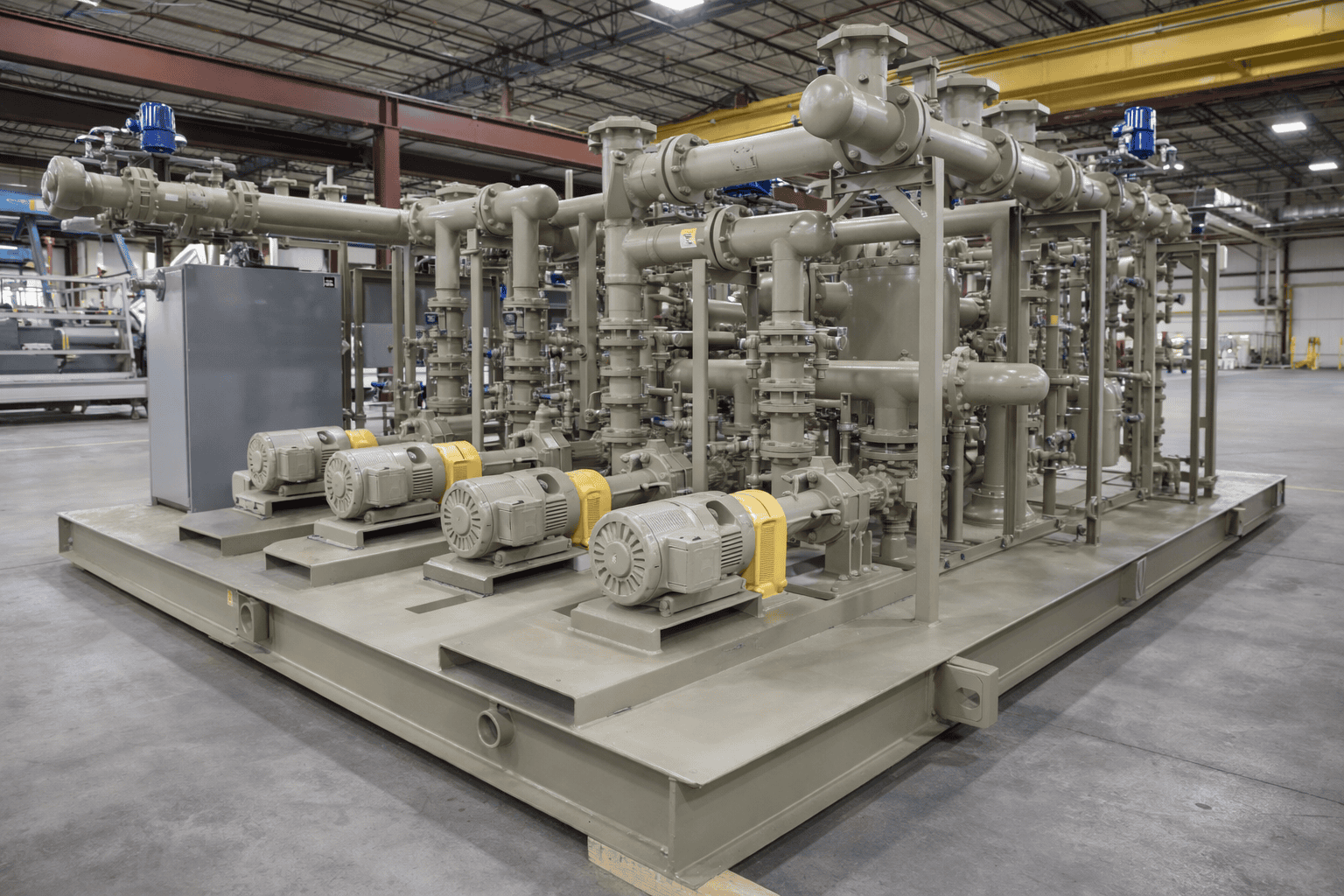
Each selection is supported by hydraulic analysis, materials review, and constructability considerations to ensure long-term reliability and maintainability.
Application-Focused Pump and Rotating Equipment Implementations
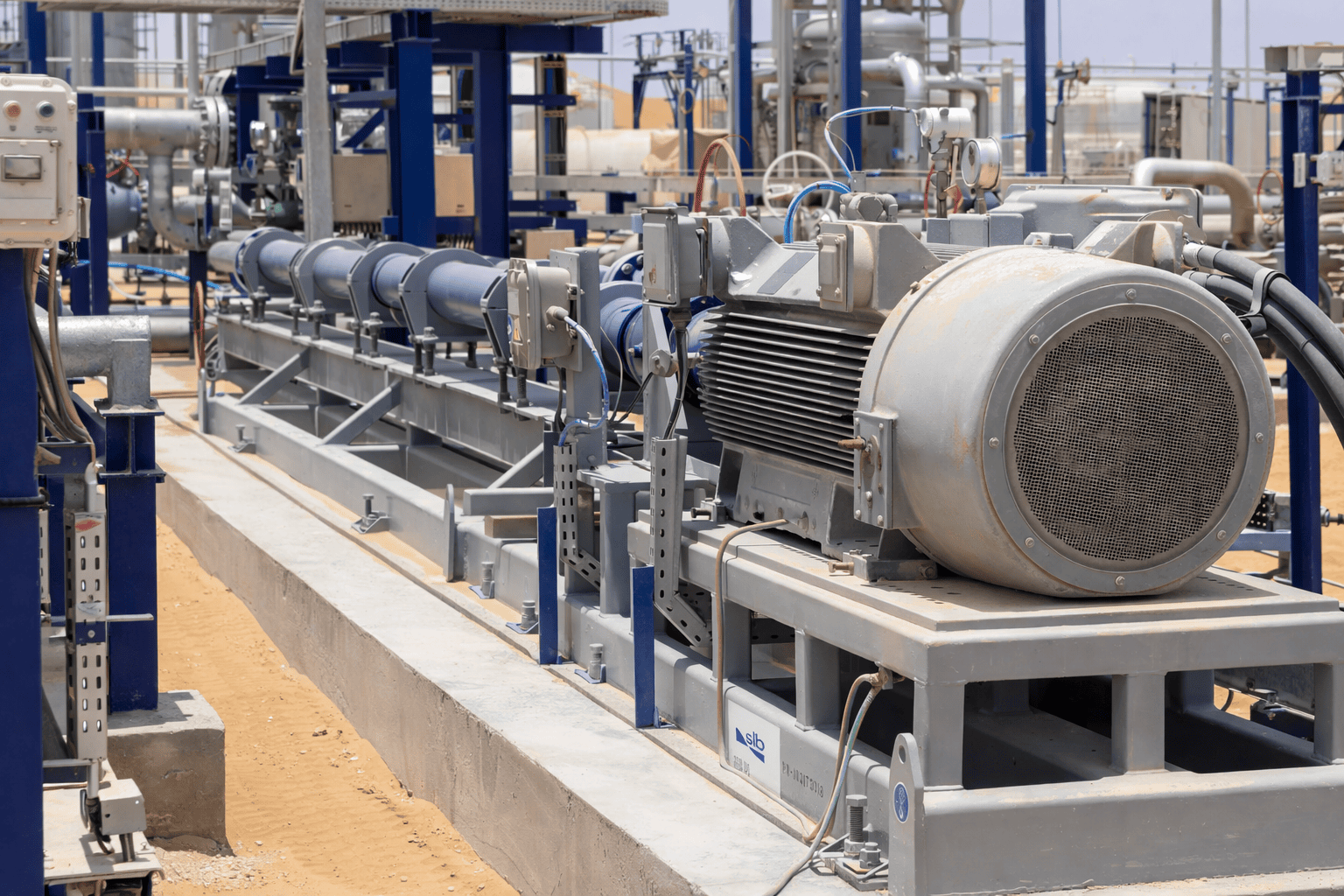
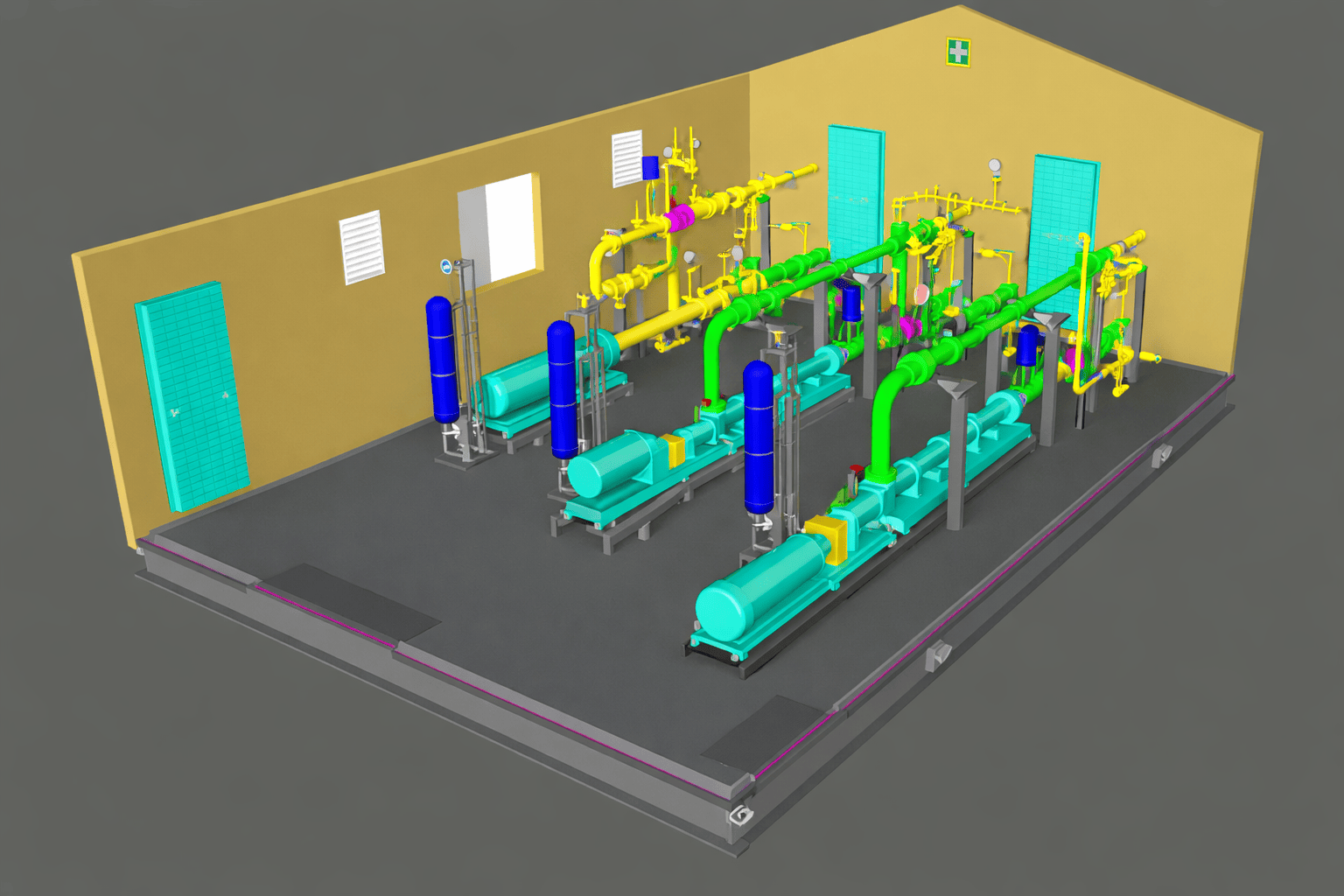
Pump performance depends on proper integration with the overall process system. Tundra Engineering develops fit-for-purpose pump and rotating equipment packages for produced water transfer, pipeline boosting, chemical injection, polymer handling, multiphase gathering, and heavy oil service.
Our multidisciplinary team evaluates suction conditions, NPSH margins, control strategies, and system interactions to prevent cavitation, vibration, and premature equipment wear. Where fluid quality impacts downstream processing, operators often coordinate pumping systems with Gas Sweetening facilities to maintain consistent plant performance.
By focusing on real operating environments, we help clients avoid oversizing, reduce energy consumption, and improve total lifecycle economics.
EPCM Delivery & OEM Coordination
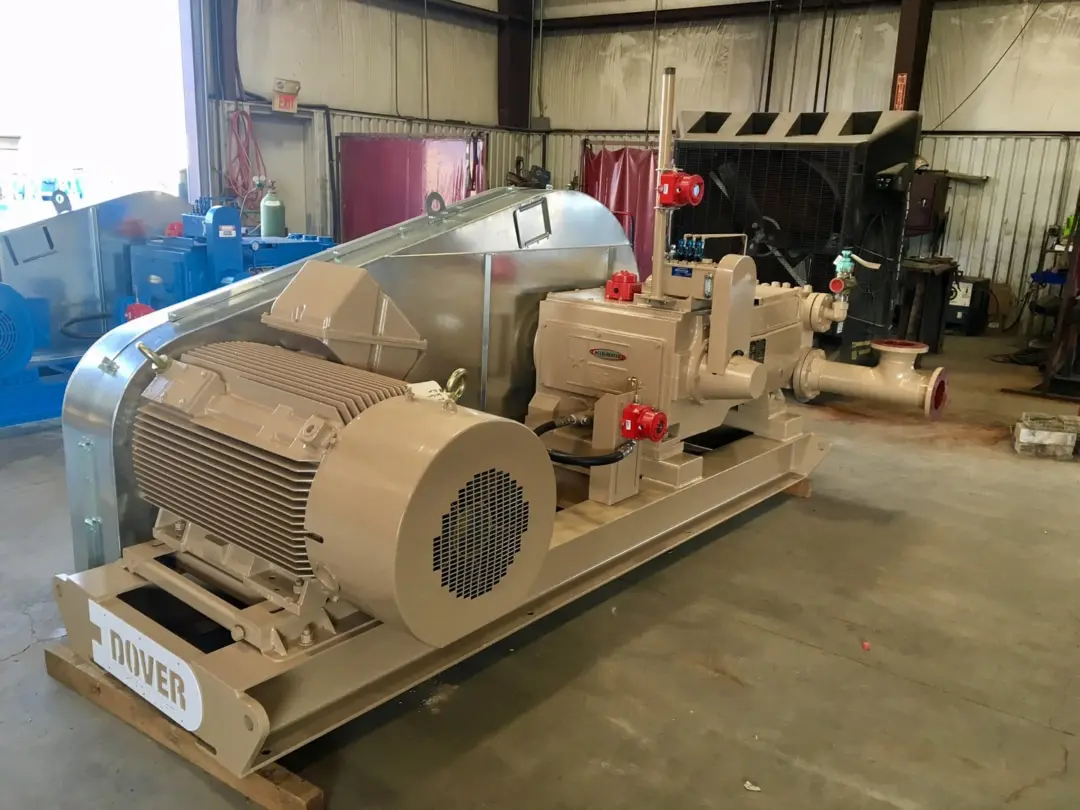
Tundra Engineering works closely with leading OEMs and fabricators to deliver complete pump and rotating equipment packages aligned with client standards. Within our EPCM framework, we support equipment specification, technical bid evaluation, vendor data review, and field implementation planning.
Our structured approach provides owners with cost visibility, schedule control, and confidence that installed pump and rotating equipment systems will meet design intent. Whether supporting new installations or retrofit programs, we emphasize practical execution and long-term operability.
Rotating equipment scope splits by service. For gas service, see compressor station design. For liquids, pumps typically sit inside oil batteries and oil treating and gas processing facilities.
Where this scope sits inside a capital project, it is executed under Tundra’s engineering, procurement and construction management services.
What types of pumps and rotating equipment does Tundra Engineering support?
Tundra Engineering supports centrifugal, positive displacement, progressive cavity, screw, and multistage pumps across energy and industrial facilities. Our team selects fit-for-purpose equipment based on fluid properties, pressure requirements, and system operating conditions.
How does EPCM delivery improve pump and rotating equipment system performance?
The EPCM model integrates engineering, procurement coordination, and construction management under one framework. This approach improves equipment integration, reduces installation risk, and ensures pump and rotating equipment systems operate reliably within the overall facility design.
When should progressive cavity pumps be used?
Progressive cavity pumps are best suited for viscous, multiphase, or solids-laden fluids such as heavy oil, slurries, and wastewater. They provide smooth, low-shear flow where consistent transfer and gentle fluid handling are critical.