
Feature Projects
10,000 BOED Sour Oil Battery EPCM Engineering Project
Leveraging teams based in Calgary, Alberta and Houston, Texas, Tundra Engineering delivered integrated EPCM engineering support for a 10,000 BOED sour oil battery designed to meet the performance, safety, and regulatory demands of modern oil & gas infrastructure. Operating in an Engineering, Procurement and Construction Management (EPCM) role, our team focused on constructability, schedule certainty, and long-term operational reliability.
The facility was engineered to accelerate field execution while maintaining strict North American environmental and safety standards. Through disciplined planning and a prefabrication-first strategy, Tundra Engineering enabled rapid mechanical completion from a bare site within an aggressive project schedule.
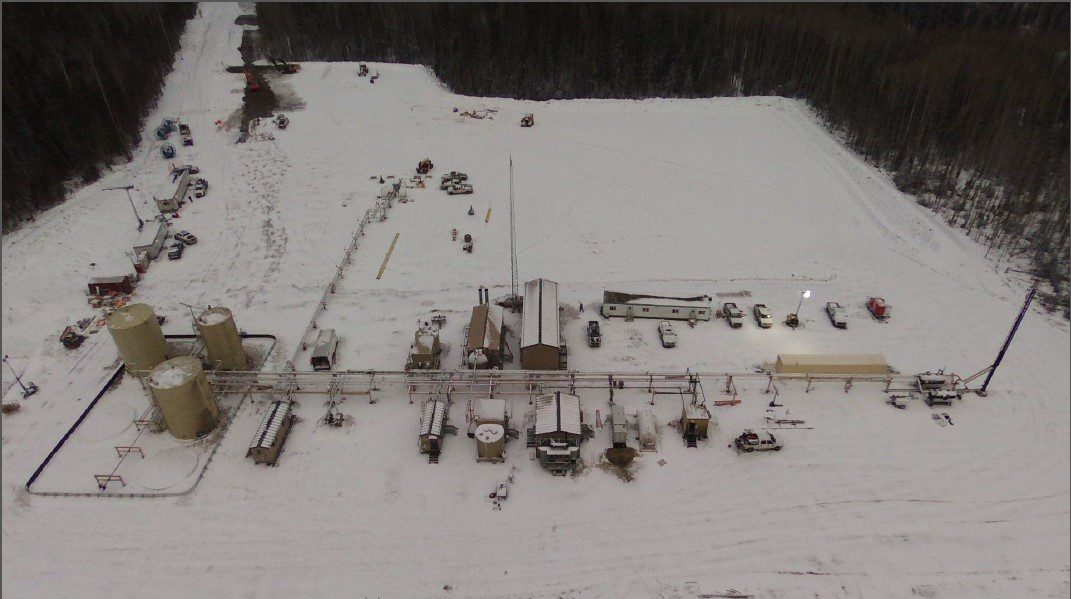
Project Overview
Start-Up: January 2019
Facility Type: 10,000 BOED Sour Oil Battery
Execution Model: EPCM Project Delivery
Key project highlights:
- Bare site to mechanical completion in approximately 4 weeks
- 100% prefabricated structural steel and piping systems
- No field piping welds or hydrotests required
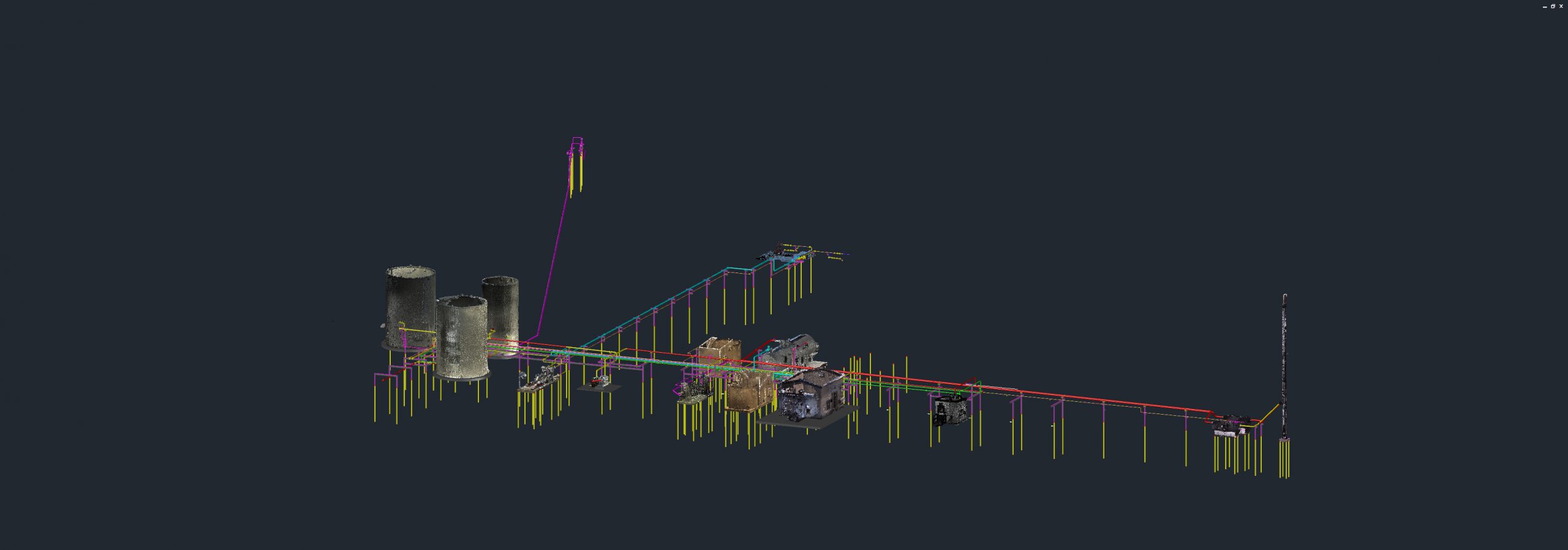
- High-accuracy 3D model developed for future expansion
- Modular construction optimized for field efficiency
This execution strategy significantly reduced on-site labor exposure while improving construction predictability and quality control.

EPCM Engineering & Execution Scope
Under the EPCM delivery model, Tundra Engineering provided coordinated engineering leadership and project support across critical phases of execution. Our multidisciplinary team aligned detailed engineering, procurement planning, and construction readiness to ensure efficient field performance.
The prefabrication-driven approach allowed major piping and structural assemblies to be completed off-site, minimizing field welding and reducing schedule risk. This methodology is particularly effective for sour service oil & gas facilities where safety, reliability, and cost visibility are essential.
As Owner’s Engineer, Tundra maintained strong technical oversight while enabling the client to retain contractual control and procurement flexibility throughout the project lifecycle.
Explore our full EPCM engineering services:
Performance Outcomes
The completed sour oil battery demonstrates Tundra Engineering’s ability to deliver practical, field-focused EPCM solutions for complex energy developments. Measurable project benefits included:
- Accelerated mechanical completion timeline
- Reduced field construction risk
- Improved cost certainty through modular execution
- Enhanced readiness for future brownfield expansion
- Strong alignment with North American regulatory expectations
The accurate 3D model and modular layout position the facility for efficient future debottlenecking and capacity expansion as production requirements evolve.
Start Your Next EPCM Project
Whether developing new oil batteries, expanding existing facilities, or executing complex oil & gas infrastructure projects, Tundra Engineering provides disciplined EPCM leadership backed by more than 30 years of industry experience across Canada and the United States.
What was unique about this sour oil battery EPCM project?
This project used a prefabrication-first EPCM approach with 100% modular structural steel and piping. The strategy enabled rapid mechanical completion from a bare site while reducing field welding, improving safety performance, and maintaining strong cost and schedule control.
Why use modular EPCM delivery for oil battery projects?
Modular EPCM delivery improves construction predictability, reduces on-site labor exposure, and accelerates project schedules. For sour oil battery facilities, prefabrication also enhances quality control and supports safer execution in complex oil & gas operating environments.
How does Owner’s Engineer oversight benefit EPCM projects?
As Owner’s Engineer, Tundra Engineering provides technical oversight, procurement governance, and execution guidance while allowing the client to retain commercial flexibility. This model improves project visibility, risk management, and overall EPCM project delivery performance.