Plant Debottlenecking & Capacity Expansion | Calgary & Houston
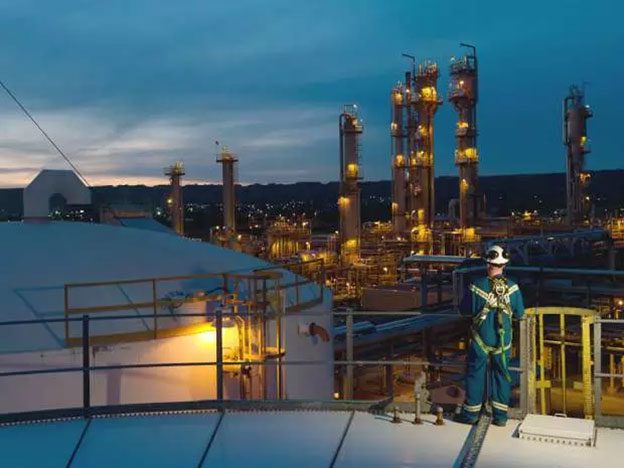
Tundra Engineering provides structured debottlenecking EPCM services that help energy and industrial operators unlock additional capacity from existing assets across the global energy industry. Our team systematically identifies performance constraints within processing facilities and develops practical engineering solutions that improve throughput, reliability, and operating efficiency without the need for full facility expansion.
Debottlenecking is often the most capital-efficient path to increased production. As an experienced EPCM engineering firm, Tundra Engineering evaluates real operating data, equipment limits, and system interactions to determine where flow restrictions or performance gaps are constraining overall facility output. We then develop targeted modifications aligned with constructability, safety, and long-term operability.
Constraint Identification & Technical Evaluation
Most facilities contain one or more units that limit overall system performance. Tundra Engineering applies a disciplined, data-driven methodology to locate these bottlenecks and quantify their operational impact.
Our debottlenecking studies typically evaluate:
- Actual operating conditions versus design capacity
- Hydraulic and pressure drop limitations
- Equipment performance curves and control logic
- Fouling, thermal, and utility constraints
This structured assessment helps determine whether the restriction is mechanical, process-related, controls-based, or tied to safety and relief system limits. Our multidisciplinary team routinely supports gas plants, compression systems, dehydration units, refrigeration trains, turbo expander trains, flare systems, and pipeline segments where incremental capacity gains can deliver significant economic value.
Practical EPCM Implementation Strategy
Once constraints are confirmed, Tundra Engineering develops and executes the most effective debottlenecking solutions within our integrated Engineering, Procurement, and Construction Management (EPCM) framework. The focus is always on achieving measurable performance improvement with controlled cost and minimal operational disruption.
Typical improvement strategies may include equipment rerating, targeted upgrades, flow rebalancing, parallel capacity additions, or control system optimization. Our engineering teams work closely with owners to stage modifications in manageable scopes that align with outage windows and Construction feasibility.
Through disciplined engineering, Procurement coordination, and Construction Management, we help ensure that implemented changes deliver the expected throughput and reliability improvements in real operating environments.
To see how this service integrates with our broader delivery model, explore our Pipeline EPCM Services.
Performance Optimization & Long-Term Reliability
Effective debottlenecking goes beyond short-term capacity gains. Tundra Engineering incorporates operability, maintainability, and system flexibility into every solution so facilities continue to perform reliably over the full asset lifecycle.
Our methodology considers applicable regulatory and safety requirements across the energy industry while helping operators improve energy efficiency, reduce recurring constraints, and enhance overall plant economics. By combining field-driven engineering with structured project execution, we support both brownfield optimization programs and multi-phase facility expansions.
For a broader view of our integrated engineering capabilities across North America and the global energy industry, visit Tundra Engineering.
From targeted constraint removal to complex facility optimization programs, Tundra Engineering delivers practical debottlenecking EPCM support that helps owners maximize the value of their existing infrastructure.
Capacity work runs alongside plant HAZOP studies, turnarounds and planned shutdowns and management of change. The constraint itself usually sits in the process, which is why debottlenecking so often becomes gas processing plant engineering or gas compression and compressor stations work.
Tundra folds this scope into EPCM project delivery when it forms part of a larger capital project.
Every debottlenecking scope begins with process reviews and capacity studies to establish where the real constraint sits before any equipment is specified.
Debottlenecking studies are run by the same process engineering discipline that sets the design basis on new-build facilities.
What is debottlenecking in energy facilities?
Debottlenecking is the process of identifying and removing system constraints that limit facility throughput. In energy operations, this typically involves analyzing equipment performance, hydraulic limits, and control systems to increase capacity using targeted EPCM engineering modifications rather than full facility expansion.
When should a facility perform a debottlenecking study?
Debottlenecking studies are recommended when production demand increases, equipment approaches design limits, or recurring operational constraints appear. Early evaluation helps operators improve capacity, optimize energy efficiency, and plan cost-effective upgrades across gas plants, compression systems, and pipeline infrastructure.
How does EPCM execution support debottlenecking projects?
An EPCM approach ensures debottlenecking solutions move efficiently from technical evaluation to field implementation. Through integrated engineering, procurement coordination, and construction management, Tundra Engineering helps owners achieve measurable throughput gains while maintaining safety, regulatory compliance, and long-term operational reliability.