Artificial Intelligence in Production Operations and Facilities
From our offices in Calgary, Alberta and Houston, Texas, Tundra Engineering helps upstream oil & gas operators turn artificial intelligence from a boardroom talking point into measurable results in the field. We combine practical AI Strategy, Transformation, and Education with the production operations and facilities engineering experience that has defined our EPCM practice for more than 30 years — so AI is applied where it moves the numbers that matter: lower operating costs, lower Finding & Development (F&D) costs, higher production, and higher reliability.
Our approach is deliberately two-sided. We advise operators on how to adopt AI across their own production operations and facilities, and we apply AI inside our own engineering delivery so every study, design package, and automation build we produce is faster, better documented, and more reliable. Whether you are running mature assets in the Western Canadian Sedimentary Basin or expanding across the Permian and the U.S. Gulf Coast, we help you build an AI capability that compounds instead of stalling at the pilot stage.
AI Strategy for Upstream Operations
Most AI initiatives in oil & gas stall not for lack of technology, but for lack of a roadmap tied to operational and financial outcomes. Tundra Engineering works with operators to build an AI strategy grounded in facility realities and measurable targets — not hype.
- Prioritized AI roadmap mapped to OPEX, F&D cost, production, and reliability targets
- Data-readiness assessment of SCADA, historian, ERP, and maintenance systems
- Use-case identification and ranking by value, feasibility, and payback
- Governance, data security, and change-management framework
- Build-versus-buy guidance and vendor-neutral solution selection
We keep the strategy anchored to the asset, so every recommended initiative has a defined owner, a defined data source, and a defined business case.
Transformation — Embedding AI Across Production & Facilities
Strategy only matters if it reaches the field. Our transformation work takes prioritized use cases from concept through pilot to sustained production, embedding AI into the daily workflows of production operations and facilities teams.
- Predictive maintenance and reliability analytics for compressors, pumps, and rotating equipment
- Production surveillance and artificial-lift optimization to maximize uptime and throughput
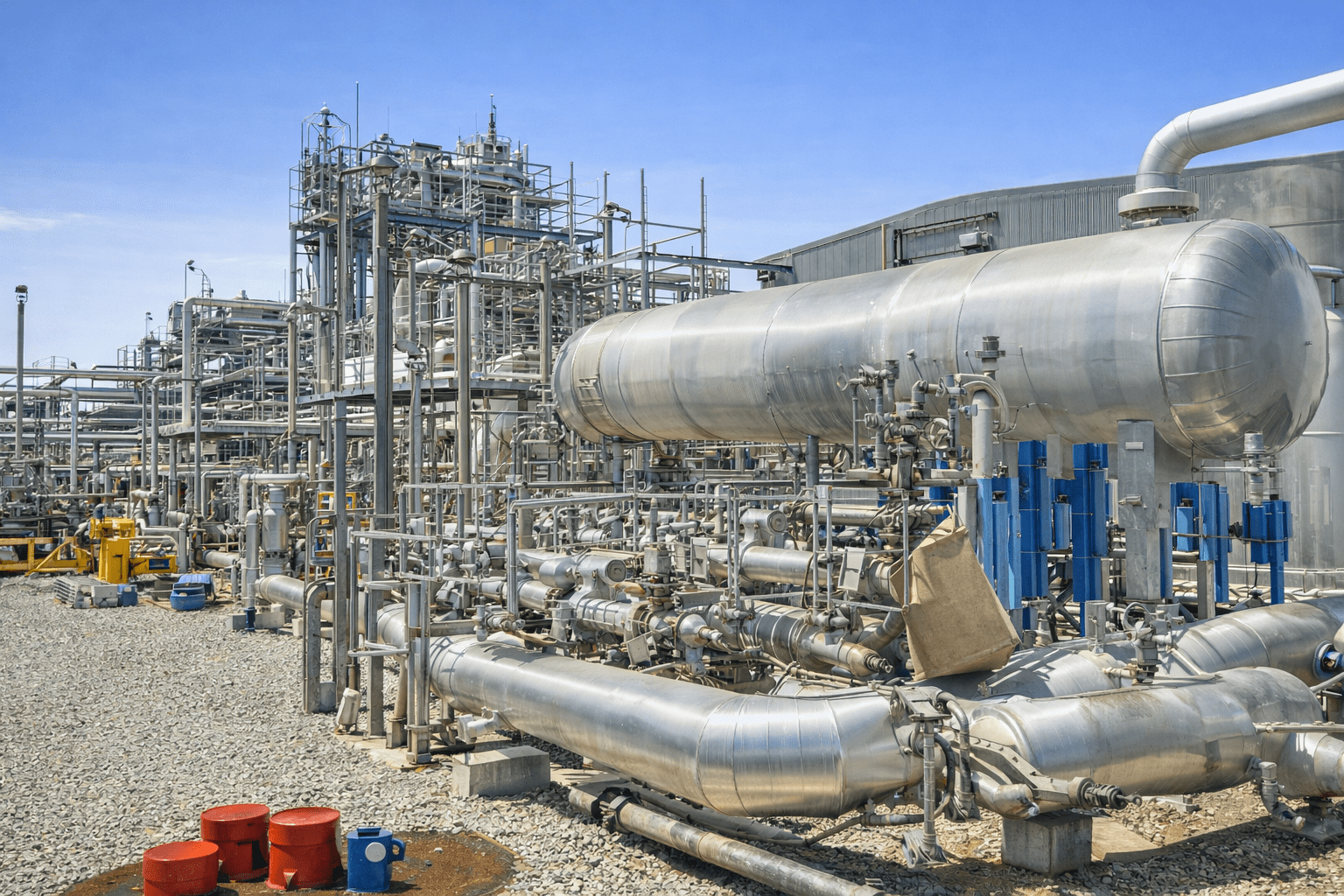
- Process and energy optimization across gas processing, compression, and treating facilities
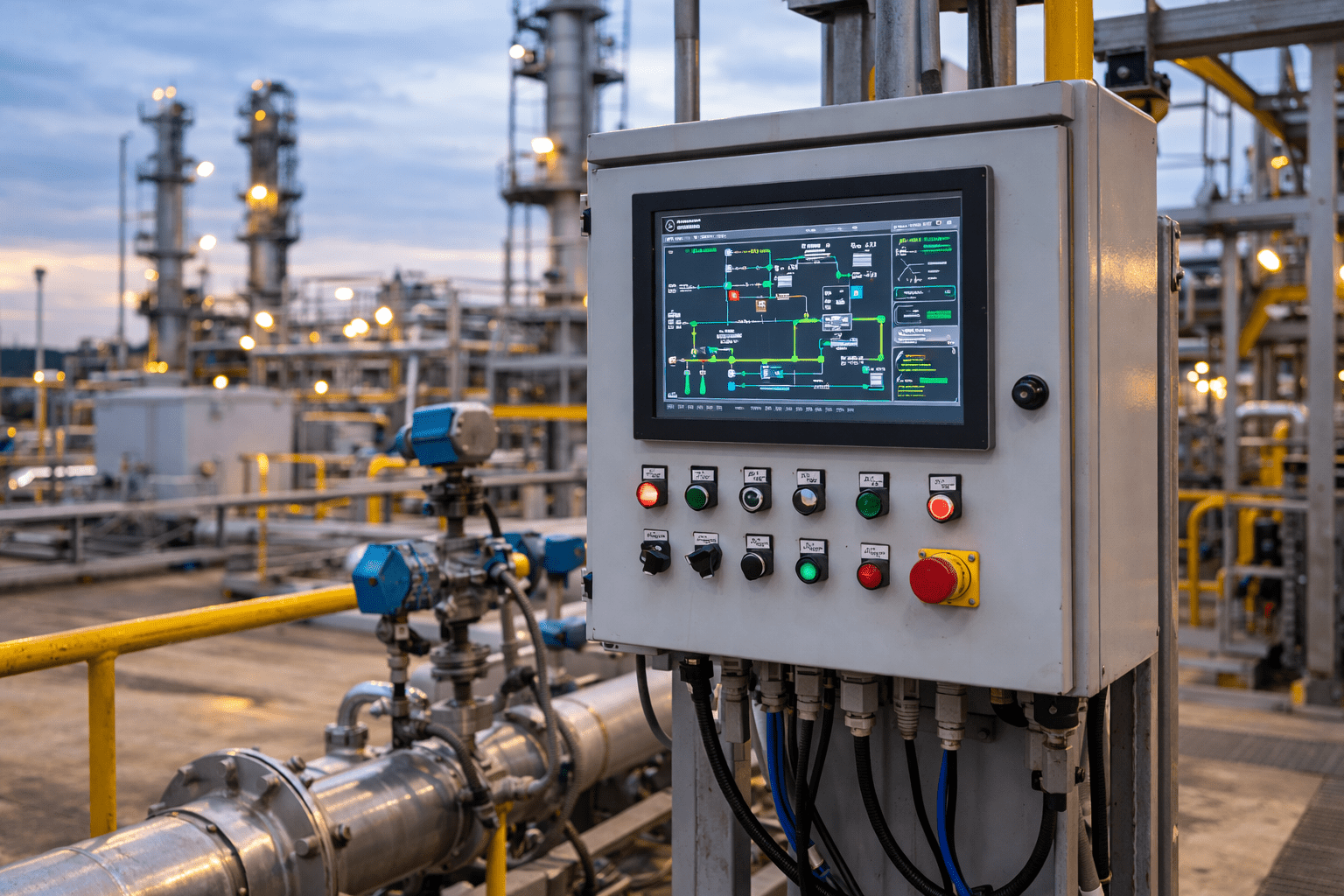
- Anomaly detection and alarm rationalization on SCADA and control-system data
- Emissions, methane-detection, and flare-optimization analytics aligned with regulatory reporting
- Digital-twin and model-based decision support for brownfield and greenfield facilities
Because Tundra also delivers the underlying automation, PLC, SCADA, and RTU infrastructure, we can close the loop between analytics and control rather than leaving insights stranded in a dashboard.
Education — Building AI Proficiency in Your Teams
Sustainable AI capability lives in people, not just platforms. Drawing on adult-learning and capability-building principles, Tundra Engineering builds real AI proficiency inside your engineering and operations organization so improvements continue long after any single project ends.
- Role-specific AI training for engineers, operators, and facility supervisors
- Hands-on workshops that build usable tools against your own operational data
- Executive and leadership briefings on AI opportunity, risk, and governance
- Internal AI-champion development to sustain adoption across departments
- Practical guidance on safe, responsible AI use in regulated operating environments
The goal is straightforward: automation absorbs the repetitive work, and your people are elevated to higher-value engineering judgment, planning, and problem-solving.
AI-Enabled Engineering Delivery
Tundra applies AI across our own EPCM, asset management, and automation work — a differentiator you benefit from on every engagement, whether or not AI is the headline of your project.
- AI-assisted review of P&IDs, as-builts, and engineering documentation
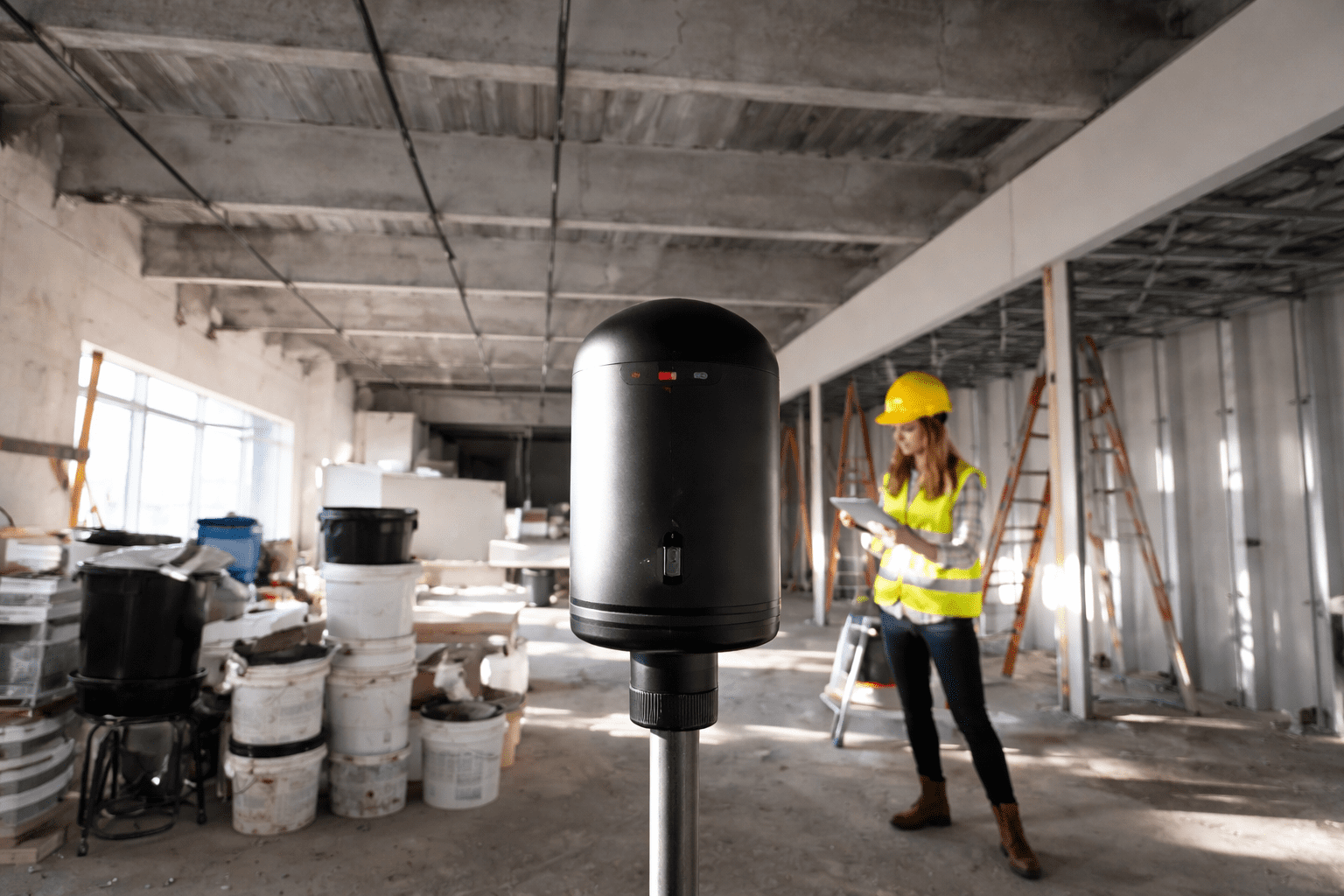
- Faster laser-scan and as-built processing and clash detection
- Accelerated integrity management data analysis and risk-based inspection prioritization
- Smarter Management of Change (MOC) tracking and regulatory-submission preparation
- Reduced rework and design error through AI-supported quality checks
Measurable Outcomes — OPEX, F&D, Production, and Reliability
Every AI initiative we recommend is justified against the four levers that determine upstream profitability:
- Minimize operating costs — automate manual monitoring, reduce truck rolls, and optimize energy and chemical use
- Minimize Finding & Development (F&D) costs — improve capital efficiency through data-driven development planning and faster, lower-rework facility execution
- Maximize production — increase uptime and throughput with predictive reliability and artificial-lift optimization
- Maximize reliability — catch failures before they happen and extend asset life through condition-based maintenance
A Two-Basin Partner — Calgary and Houston
Tundra Engineering operates from Calgary, Alberta and Houston, Texas, giving operators a single AI and engineering partner across both the Western Canadian and U.S. basins. We understand AER and Texas Railroad Commission regulatory contexts, the realities of remote field operations, and the practical constraints of applying AI where connectivity, data quality, and safety all matter.
Whether you are just starting to explore AI or ready to scale it across your production operations and facilities, Tundra brings the engineering depth to make it real — and the field practicality to make it stick.
What does artificial intelligence in production operations and facilities actually involve?
It means applying machine learning and data analytics to real facility and production data — SCADA, historian, and maintenance records — to predict equipment failures, optimize production and energy use, and support faster engineering decisions, all tied to measurable operating and reliability outcomes.
How can AI reduce operating and F&D costs in upstream oil & gas?
AI reduces operating costs by automating monitoring, cutting unplanned downtime, and optimizing energy and chemical use, and it reduces F&D costs by improving capital efficiency through data-driven development planning and lower-rework facility execution.
Does Tundra implement AI tools or also train our teams?
Both. Tundra delivers AI strategy and implementation across your operations and applies AI within its own engineering delivery, and we also build lasting AI proficiency inside your teams through role-specific training so adoption continues after the project ends.