Integrity Management Services
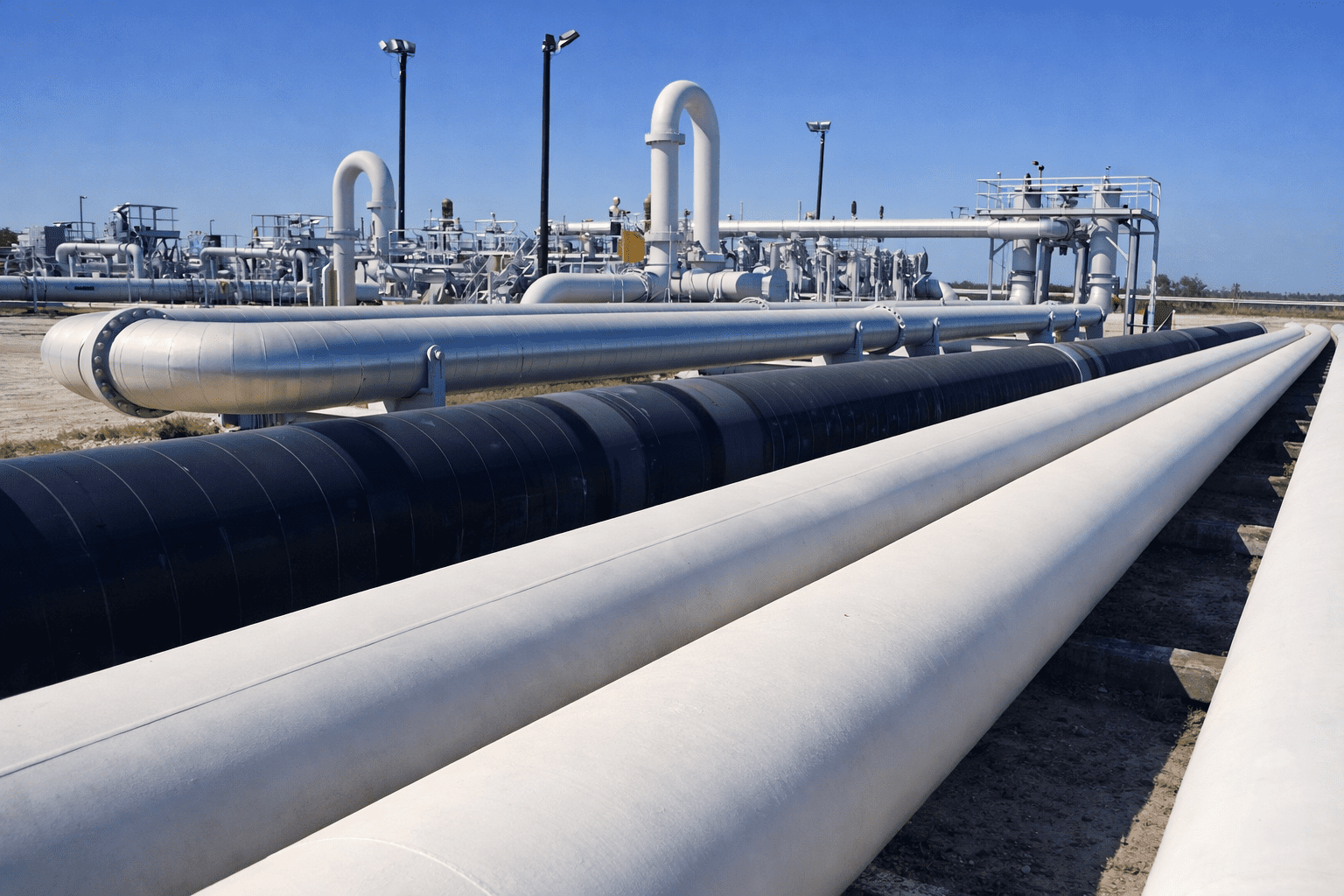
Tundra Engineering provides comprehensive Integrity Management services that support oil and gas operators in maintaining safe, reliable, and compliant facility operations across upstream and midstream assets. Our asset integrity programs combine engineering expertise, inspection oversight, and data-driven analysis to improve equipment reliability, regulatory alignment, and long-term performance.
Integrity management is essential to protecting personnel, infrastructure, and production continuity. Tundra Engineering’s EPCM works closely with owners and operators to develop structured integrity frameworks covering pipelines, pressure equipment, tanks, and surface facilities. By integrating engineering review with inspection planning and risk evaluation, we help clients proactively manage degradation mechanisms and operational risk.

Asset & Pipeline Integrity Programs
Our integrity management services address both facility and pipeline systems through disciplined engineering assessment and inspection coordination. We support the development and implementation of:
- Facility integrity management programs
- Pipeline integrity engineering and analysis
- Risk-Based Inspections (RBI)
- Corrosion management strategies
- Cathodic protection design and evaluation
- Fitness-for-service assessments
Through structured evaluation of internal and external corrosion, material degradation, and operating conditions, Tundra Engineering helps operators extend asset life while maintaining safe performance.
Pressure Equipment & Regulatory Alignment
Pressure equipment integrity requires careful adherence to regulatory and industry standards. Our team supports ABSA-qualified programs, Pressure Equipment Integrity Manuals (PEIM), and regulatory audit preparation to ensure compliance and traceability.
We provide engineering assessments, inspection interval development, non-conformance tracking, and maintenance recommendations that align operational needs with jurisdictional requirements. By maintaining structured documentation and inspection reporting systems, operators gain visibility into asset condition and lifecycle risk.
Integration with Maintenance & Operational Oversight
Integrity management does not operate in isolation. Inspection findings and risk assessments often inform structured maintenance planning and corrective action programs. For operators seeking coordinated reliability strategies, integrity initiatives are frequently aligned with Maintenance Management programs to ensure inspection results translate into prioritized maintenance activities.
PLC programming and industrial automation for oil & gas and industrial facilities across North America, including control systems and SCADA integration.
This integration strengthens mechanical reliability, reduces unplanned downtime, and improves long-term asset governance.
Lifecycle Reliability & Risk Mitigation
Effective integrity management requires continuous monitoring, engineering oversight, and data-driven decision-making. Tundra Engineering supports clients with inspection data management, corrosion monitoring, and lifecycle performance evaluation to reduce the likelihood of equipment failure.
By combining engineering analysis with field-driven inspection programs, Tundra Engineering delivers integrity management solutions that enhance safety, protect infrastructure, and maintain production confidence across complex oil and gas operations.
What is an Integrity Management program in oil and gas?
An Integrity Management program is a structured framework that evaluates asset condition, manages corrosion risk, and ensures pipelines and pressure equipment operate safely within regulatory standards.
How do Risk-Based Inspections (RBI) improve reliability?
RBI prioritizes inspections based on risk exposure and consequence, helping operators allocate resources efficiently while reducing the likelihood of failure.
How does integrity management support maintenance planning?
Inspection findings and engineering assessments inform maintenance scheduling and repair prioritization, improving equipment reliability and operational safety.