Our Environmental Commitment | Tundra Engineering
Designing for lower impact
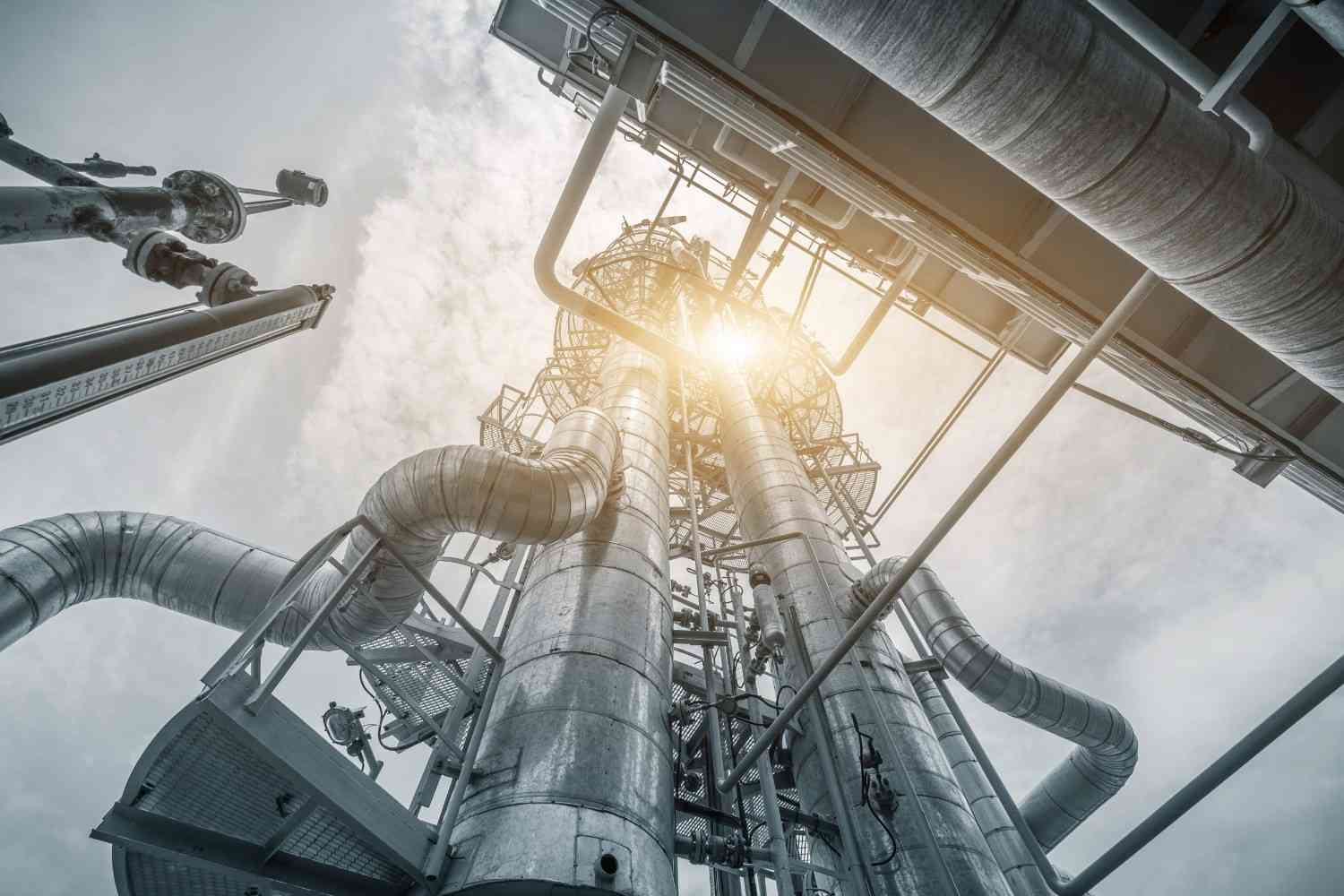
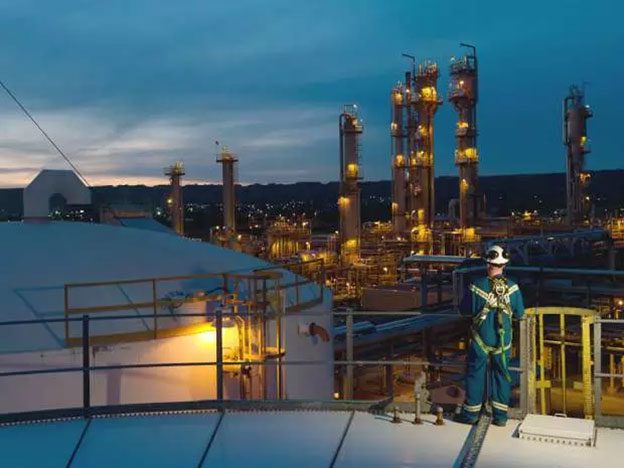
Environmental performance at a facility is mostly decided during design rather than during operations. Reducing consumption of fuel, materials and energy, and reducing harmful emissions and discharges, are outcomes of decisions made early — equipment selection, layout, metering and control philosophy — at a point where changing them is still inexpensive. Tundra is pro-active in using technologies that minimize environmental impact while keeping the facility operable for the people who inherit it.
Emissions and flaring
Two services bear directly on how a facility performs once it is running. Fugitive emissions studies rank findings by exposure and by cost to correct, so maintenance budgets go where they reduce the most emissions. Flare mitigation addresses gas that would otherwise be continuously flared, recovering propane, NGLs, condensate or lean fuel gas so the volume is sold or used on site instead of burned.
Assessment, remediation and reclamation
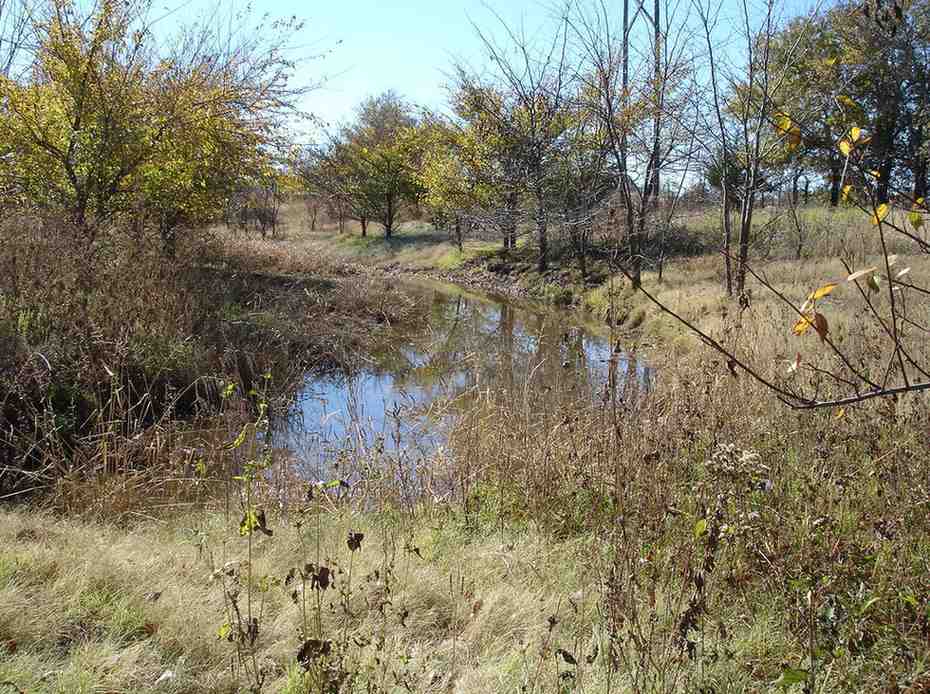
Where a site needs investigation rather than design, our environmental consulting group carries out Phase I, II and III environmental site assessments, soil, groundwater and vegetation sampling, and wildlife and impact surveys. Where contamination is found, the work extends to remedial action plans, field oversight and verification of cleanup performance, and reclamation planning through to Reclamation Certificate approval.
End of life
Environmental obligations outlast production. Asset retirement and suspended well programs begin well before end-of-life, so that closure, remediation and regulatory coordination happen in a planned sequence rather than under pressure. That sequencing is what keeps long-term environmental liability from accumulating.
Our environmental management policy sets out how this commitment is applied on projects.