Asset Retirement EPCM Services
Tundra Engineering delivers structured asset retirement EPCM services that support upstream oil and gas operators through the full abandonment and reclamation lifecycle. Our multidisciplinary teams manage technical, environmental, and regulatory requirements to help clients safely decommission assets while maintaining compliance and cost control across environmental site assessment, remediation, and land reclamation phases. Our team also provides PLC programming and industrial automation for oil & gas and industrial facilities across North America, including control systems and SCADA integration.
Asset retirement requires careful coordination across engineering, environmental assessment, site remediation, and reclamation activities. Tundra Engineering combines field-driven execution with disciplined project management to ensure each phase progresses efficiently from planning through final site closure.
Stage 1 — Downhole Abandonment
Downhole abandonment involves the permanent isolation of producing zones and the safe plugging of wellbores in accordance with regulatory requirements. Tundra Engineering supports well review, abandonment design, and execution oversight to ensure long-term well integrity.
Our teams address surface casing vent flows, zonal isolation, and barrier verification while aligning activities with jurisdictional guidelines across North America. Early technical planning helps reduce risk and avoid costly rework during later retirement stages.
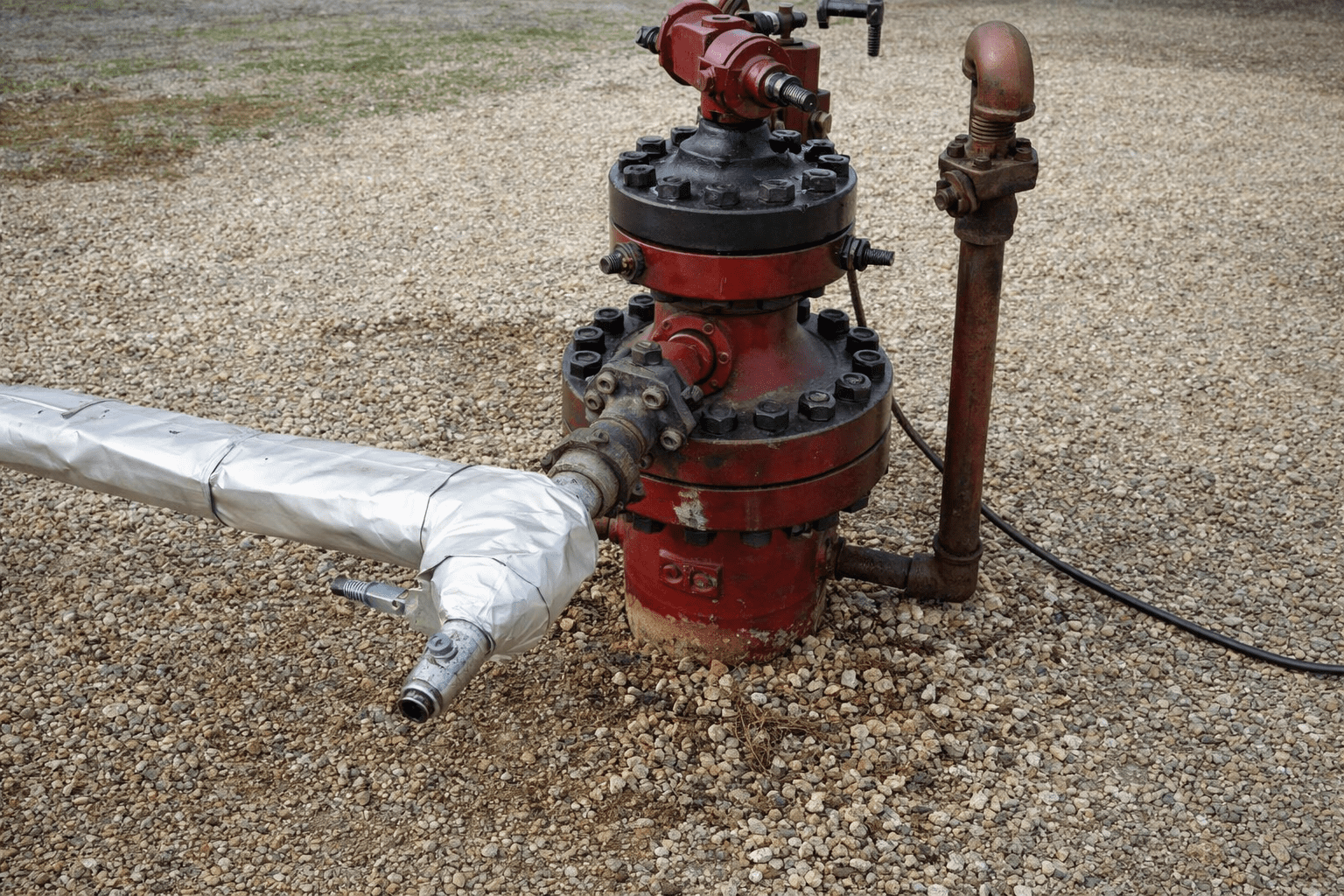
Stage 2 — Cut and Cap
Following abandonment, surface infrastructure must be safely removed. The cut and cap phase includes wellhead removal, casing cut-off below grade, and site preparation for Phase I Environmental Site Assessment and subsequent environmental review.
Tundra Engineering coordinates field execution, contractor alignment, and regulatory documentation to ensure facilities are properly decommissioned. As part of Tundra Engineering’s EPCM framework, we maintain strong cost visibility and schedule control throughout this phase.
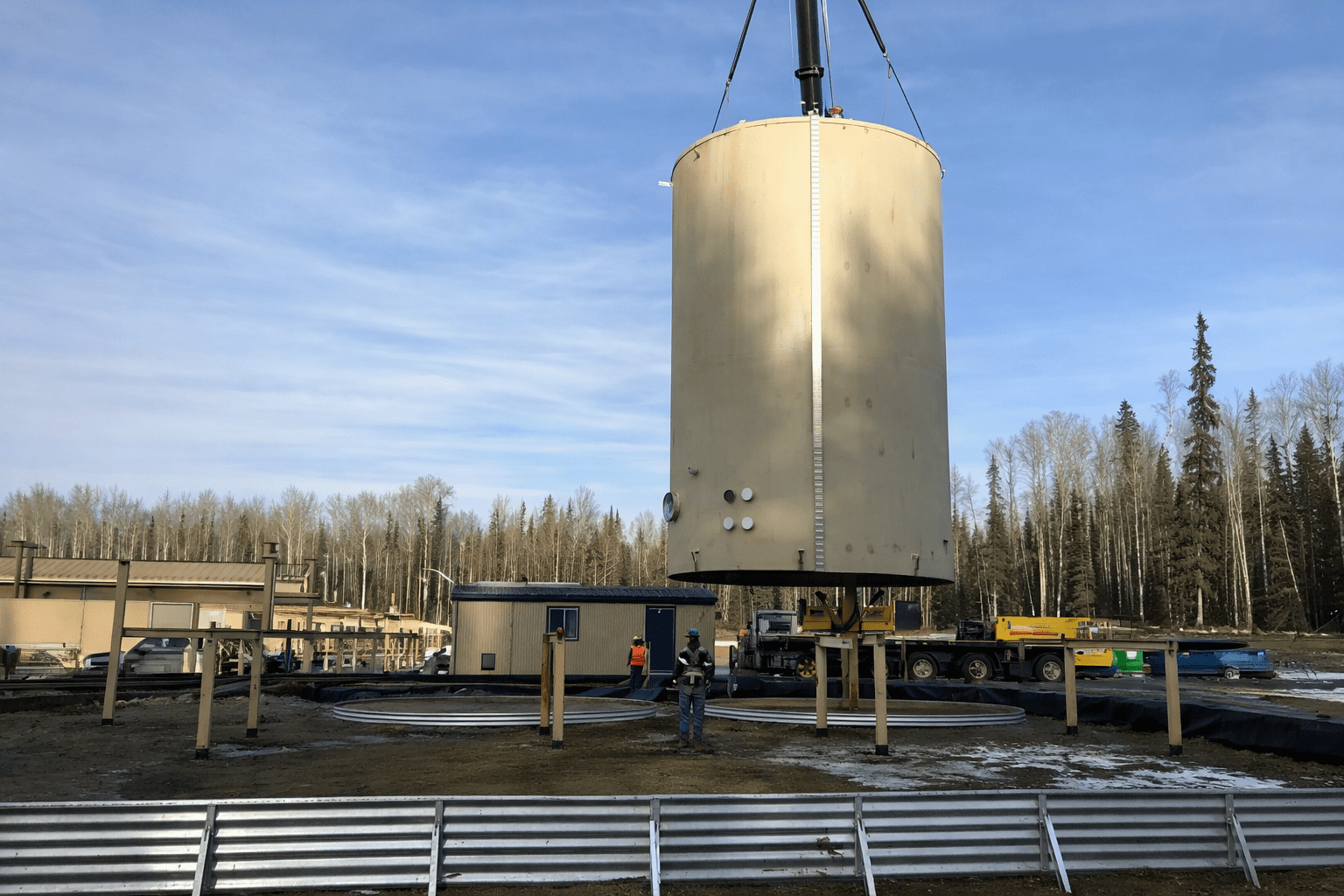
Stage 3 — Environmental Site Assessment
Environmental Site Assessments (ESA) identify potential contamination and define the scope of required remediation. Tundra Engineering supports Phase I Environmental Site Assessments, Phase II Environmental Site Assessments, and detailed site investigations to evaluate soil and groundwater conditions. Where necessary, we prepare environmental site assessment reports to support regulatory submissions and closure planning.
For broader regulatory and environmental strategy support, clients often engage our Environmental Consulting specialists to ensure site closure plans align with jurisdictional requirements, environmental due diligence expectations, and long-term land use objectives.
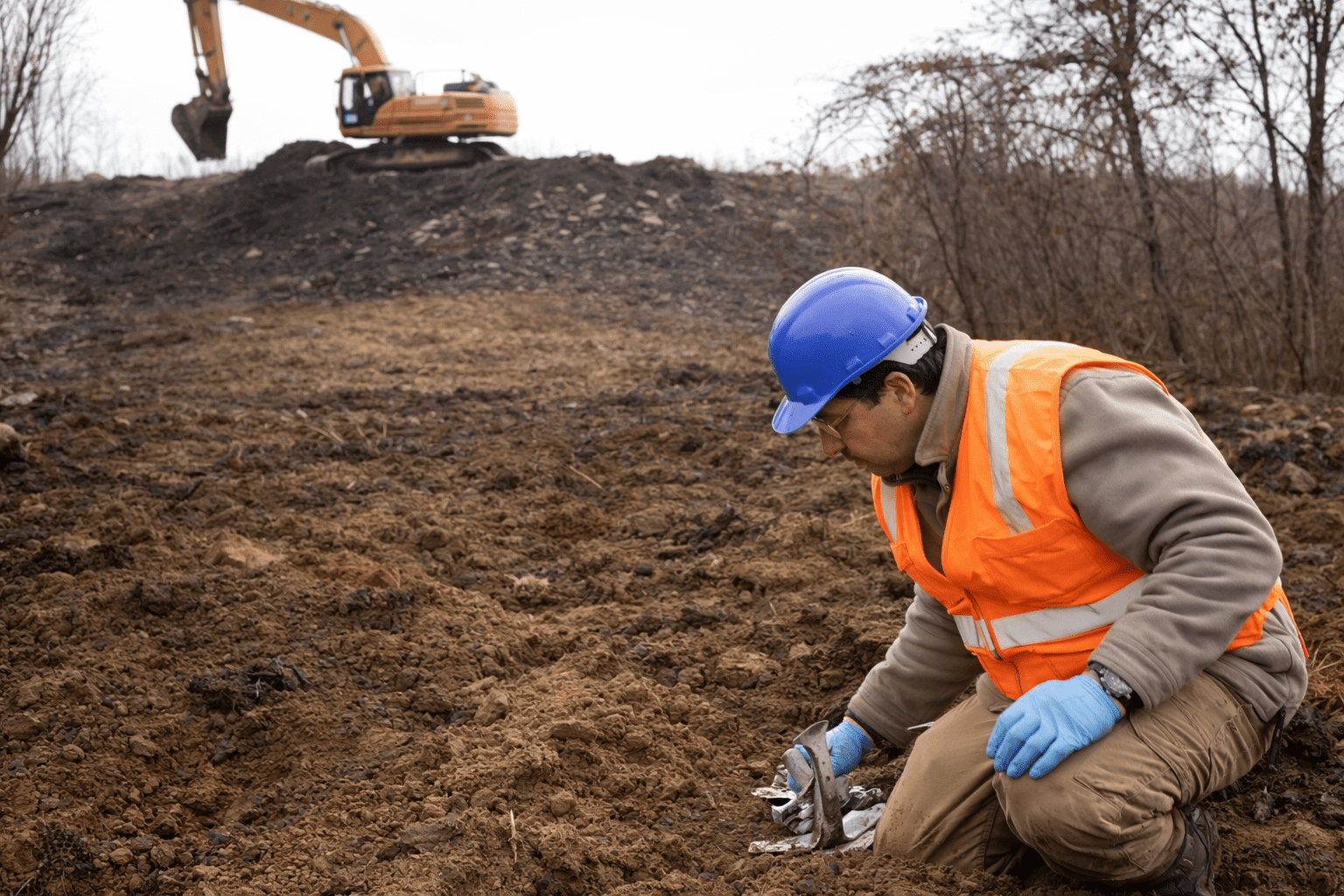
Stage 4 — Site Remediation
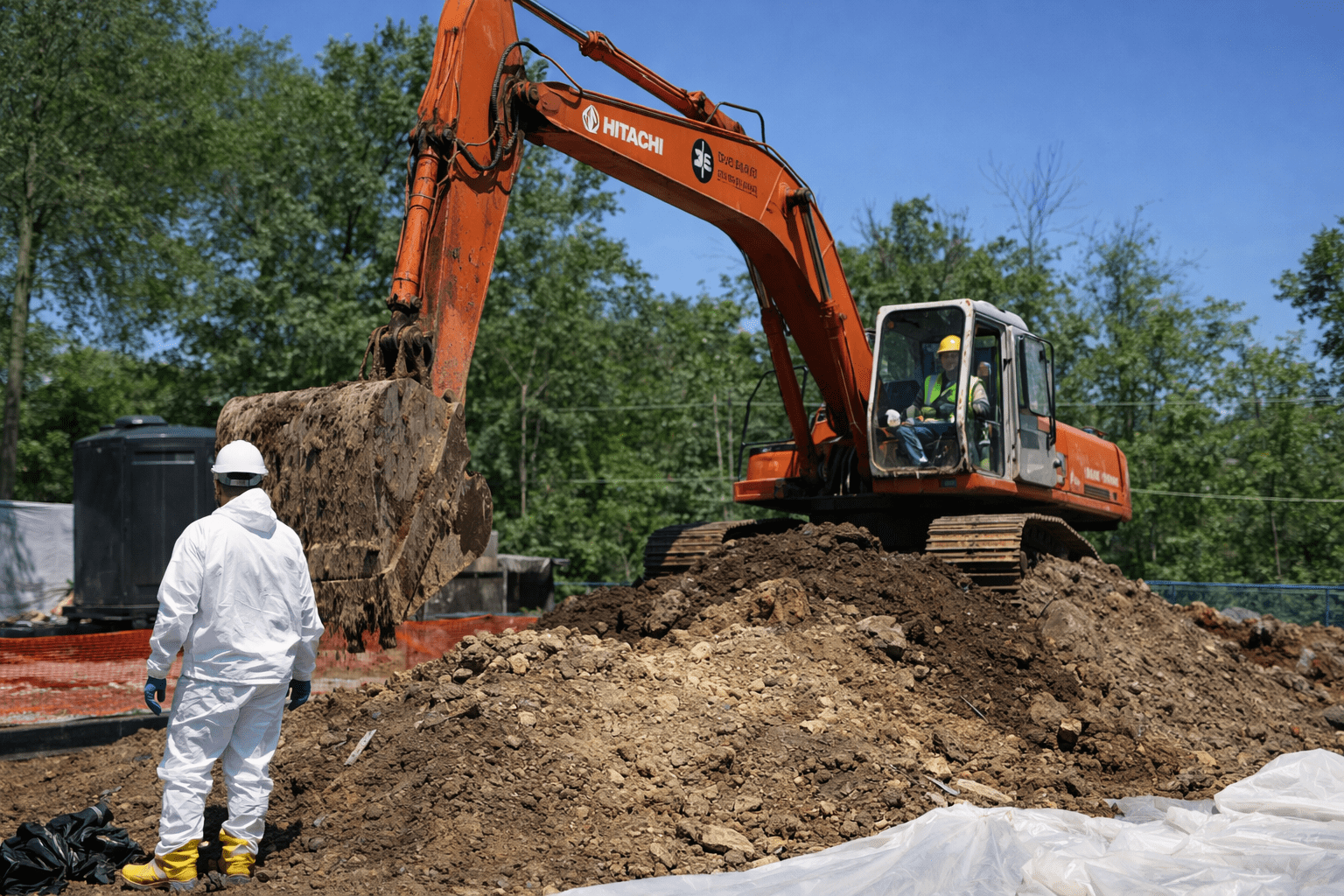
Site remediation focuses on removing or managing contaminants that could impact ecosystems or future land use. Tundra Engineering develops risk-based contaminated site remediation strategies tailored to regulatory standards and site-specific conditions.
Our teams coordinate excavation, treatment, environmental site remediation verification, and documentation activities while maintaining strong environmental and safety oversight throughout the cleanup process. We support commercial site remediation, industrial site remediation, and site investigation and remediation programs as part of structured asset retirement initiatives.
Stage 5 — Reclamation
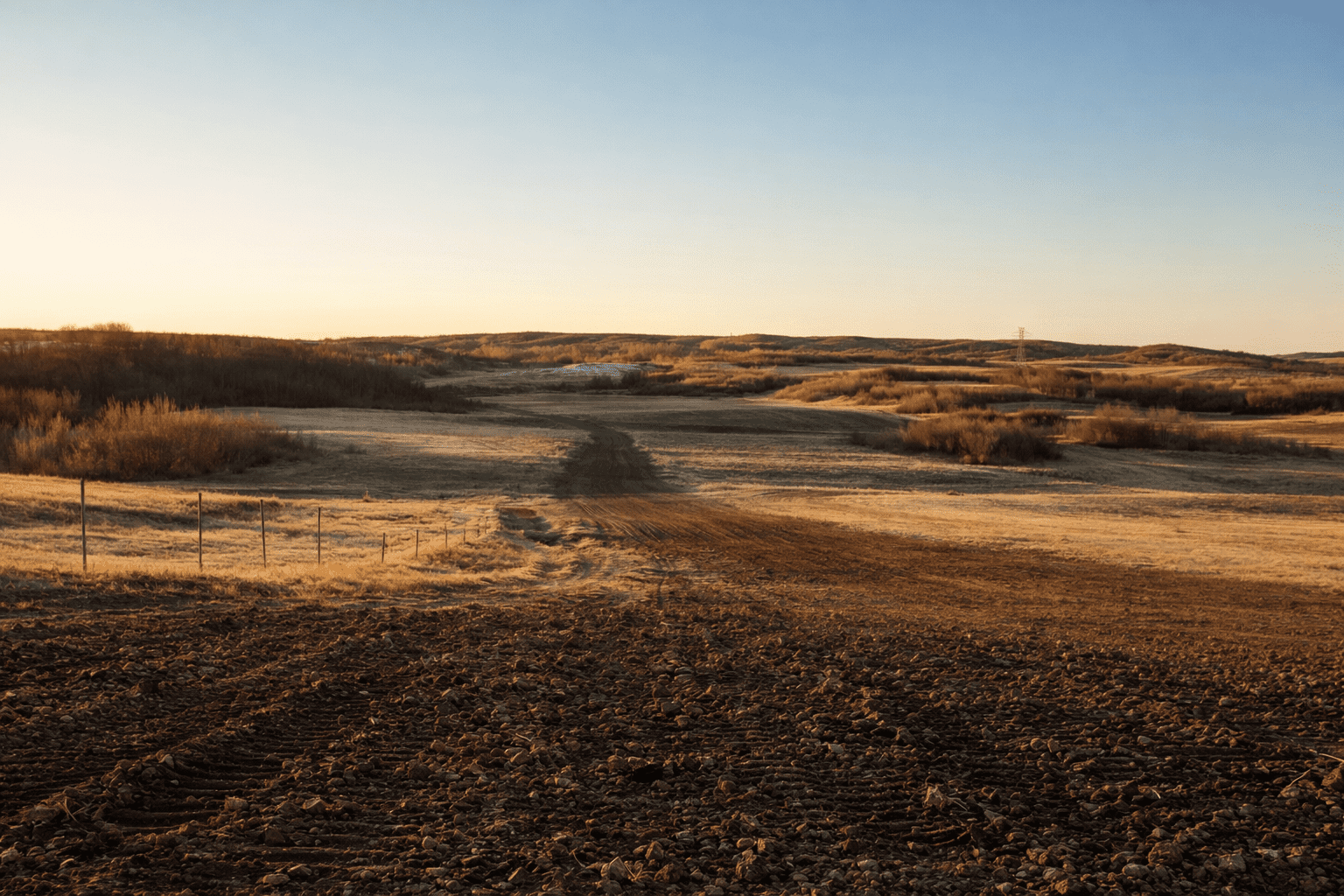
The final stage returns the site to its pre-disturbance condition through structured land reclamation and regulatory certification processes. Tundra Engineering supports grading, soil replacement, vegetation planning, and documentation required for successful reclamation certification.
Where applicable, our teams align work with regional mining reclamation and environmental closure requirements to ensure full regulatory compliance.
Our lifecycle-focused approach helps operators reduce long-term liability, meet environmental obligations, and close assets with confidence.
What is included in the asset retirement process?
Asset retirement typically includes downhole abandonment, cut and cap, Phase I Environmental Site Assessment, Phase II Environmental Site Assessment, site remediation, and final reclamation. Each stage ensures wells and facilities are safely decommissioned and returned to compliant environmental condition.
When should operators begin planning for asset retirement?
Planning should begin well before end-of-life to allow proper budgeting, regulatory coordination, environmental site assessment planning, and risk management. Early evaluation helps operators reduce overall abandonment costs and avoid schedule delays.
How does EPCM delivery support asset retirement projects?
The EPCM model integrates engineering, environmental site assessments, remediation programs, procurement, and field execution under one framework. This approach improves coordination, cost visibility, and regulatory compliance throughout the full asset retirement lifecycle.