Oil Batteries EPCM Services for Upstream Oil Treating
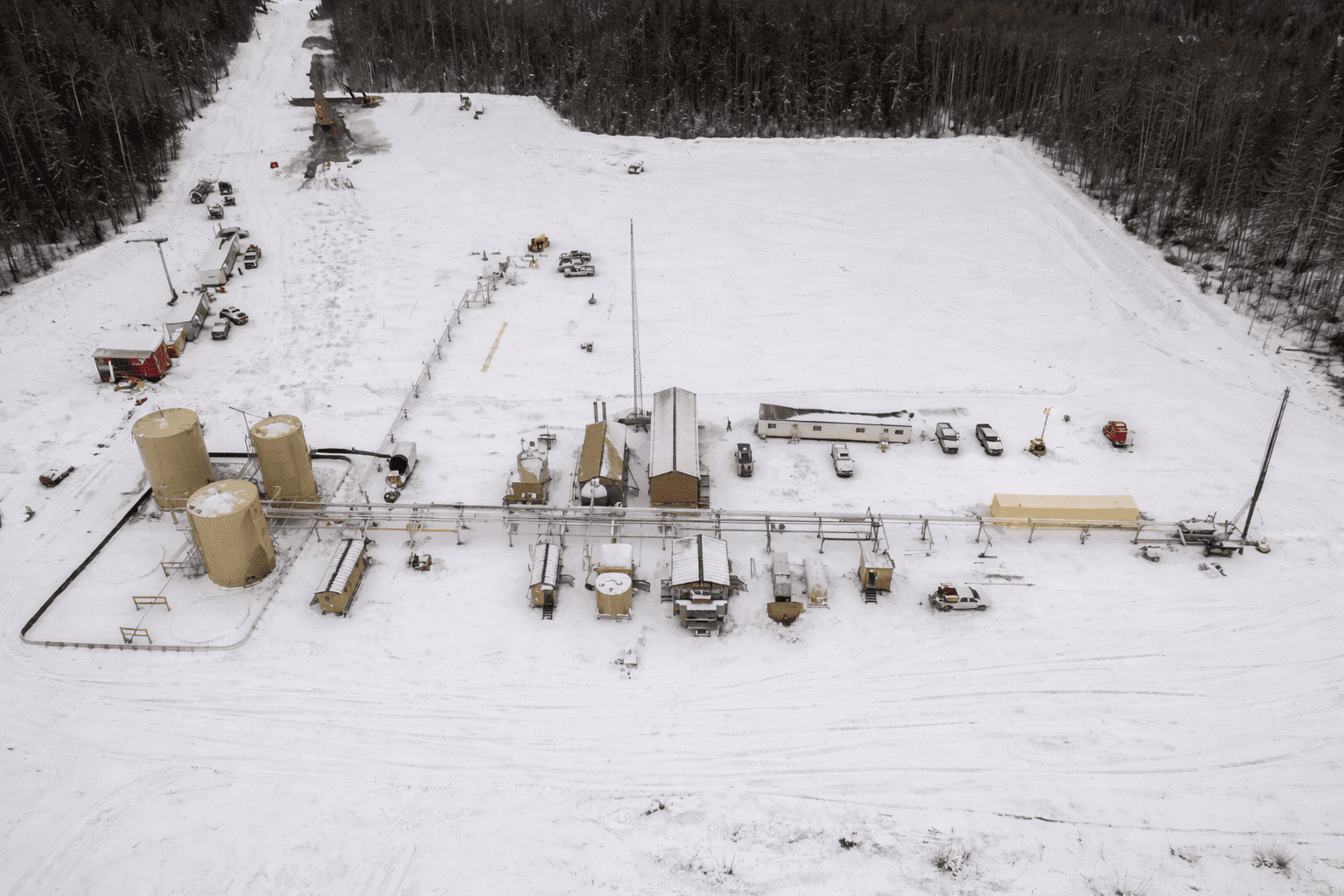
Tundra Engineering delivers integrated EPCM services for oil batteries and upstream oil treating facilities across the global energy industry. Our multidisciplinary teams support operators in safely processing well effluent into pipeline- and sales-spec crude through efficient separation, treating, and stabilization systems designed for real operating conditions.
With extensive experience across light and heavy crude applications, Tundra Engineering develops fit-for-purpose oil battery designs that manage varying gas-oil ratios, fluid compositions, and artificial lift conditions. From early concept development through FEED, detailed engineering, Procurement coordination, Construction Management, and commissioning support, our structured EPCM approach helps owners improve reliability, safety, and production efficiency.
Oil Treating Process & Battery Design
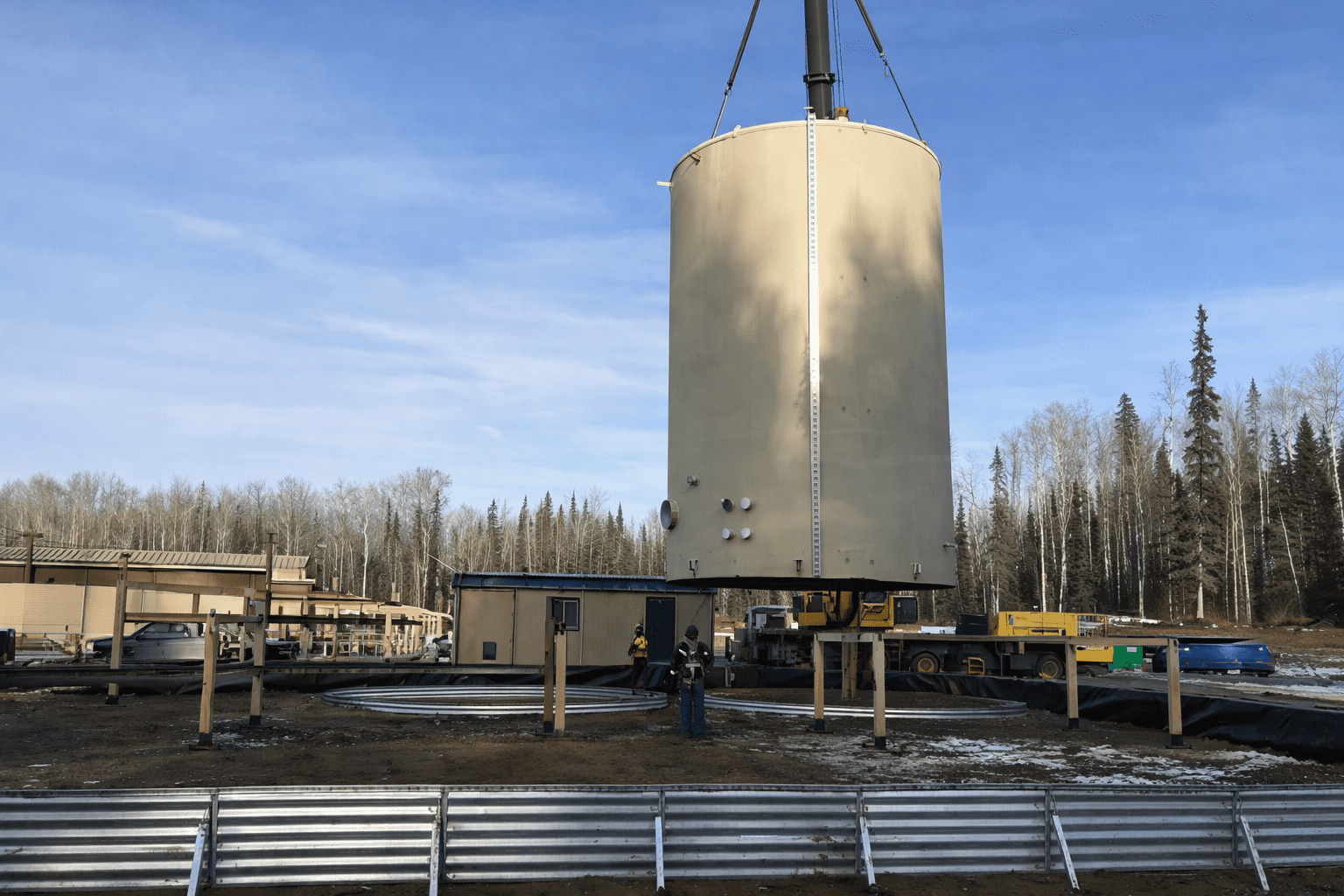
Central oil batteries play a critical role in preparing upstream production for transportation and sale. Tundra Engineering provides full-cycle engineering for oil treating systems that remove produced water, manage solution gas, and condition crude to meet custody transfer specifications.
Our upstream oil battery scope typically includes:
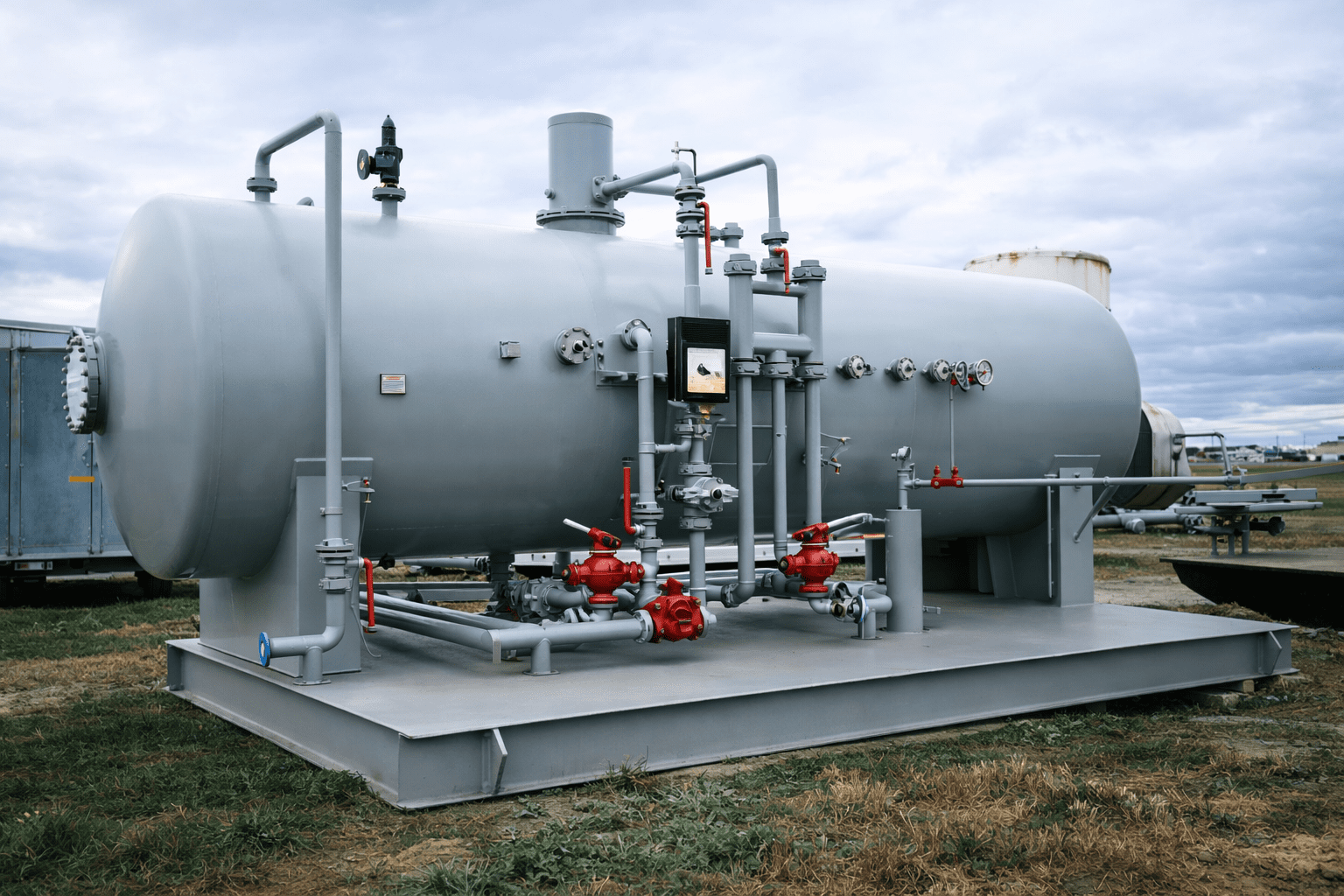
- Three-phase separation and oil treater design
- Tank treating systems and heater treaters
- Oil sweetening and H₂S management
- Blending, stabilization, and vapor handling systems
During front-end and detailed design phases, our engineers evaluate fluid properties, emulsion characteristics, and throughput requirements to determine the most effective treating configuration, often supported by Debottlenecking EPCM Services when facility constraints limit throughput. We design facilities that safely heat and separate emulsions at controlled pressure to promote efficient oil-water-gas separation while maintaining operational flexibility.
For lighter crudes, tank treating arrangements may provide adequate separation, while heavier oils often require specialized treaters with electrostatic or enhanced residence features. Our designs align with applicable industry standards, including API measurement practices, ASME piping requirements, and ASTM D4007 testing for BS&W verification.
EPCM Execution for Oil Battery Projects
Successful oil battery development requires tight coordination between process equipment, storage systems, vapor recovery, and custody transfer measurement. Within our EPCM framework, Tundra Engineering delivers disciplined project execution that provides owners with cost transparency, schedule visibility, and vendor flexibility.
Our teams support equipment specification, bid evaluations, and vendor coordination for separators, treaters, tanks, LACT units, and associated balance-of-plant systems. We manage greenfield developments, brownfield expansions, and Management of Change (MOC) projects to help ensure safe integration with existing facilities.
Where thermal management or liquids recovery optimization is required, we often coordinate with Gas Refrigeration EPCM Services to maintain stable hydrocarbon handling across the full facility.
Sales Specification Compliance & Lifecycle Performance
Meeting BS&W and vapor handling specifications is essential for pipeline acceptance and commercial performance. Tundra Engineering designs oil battery systems to reliably achieve typical custody transfer targets—commonly ≤0.5% sediment and water by volume—while maintaining safe gas handling and emissions control.
Our lifecycle-focused approach emphasizes operability, maintainability, and long-term asset performance. By combining rigorous upstream process engineering with structured EPCM delivery, we help operators reduce downtime, improve treating efficiency, and maintain consistent sales-quality crude.
From standalone central batteries to complex multi-well facilities, Tundra Engineering delivers practical oil battery EPCM solutions that prepare upstream production for safe, compliant transport and sale.
What is the purpose of an oil battery in upstream production?
An oil battery processes well effluent into pipeline- and sales-spec crude by separating oil, gas, and produced water. Proper oil battery design improves BS&W performance, stabilizes crude quality, and ensures upstream production meets custody transfer and transportation requirements.
What equipment is typically included in an oil battery facility?
Typical oil battery systems include three-phase separators, heater treaters, storage tanks, vapor recovery units, and LACT measurement systems. Tundra Engineering integrates these components through EPCM delivery to ensure reliable oil treating and efficient upstream crude handling.
How does EPCM delivery improve oil battery projects?
The EPCM model aligns process design, procurement coordination, and construction management under a single execution framework. This approach improves cost visibility, schedule control, and system integration, helping oil battery facilities achieve consistent BS&W compliance and long-term operational reliability.