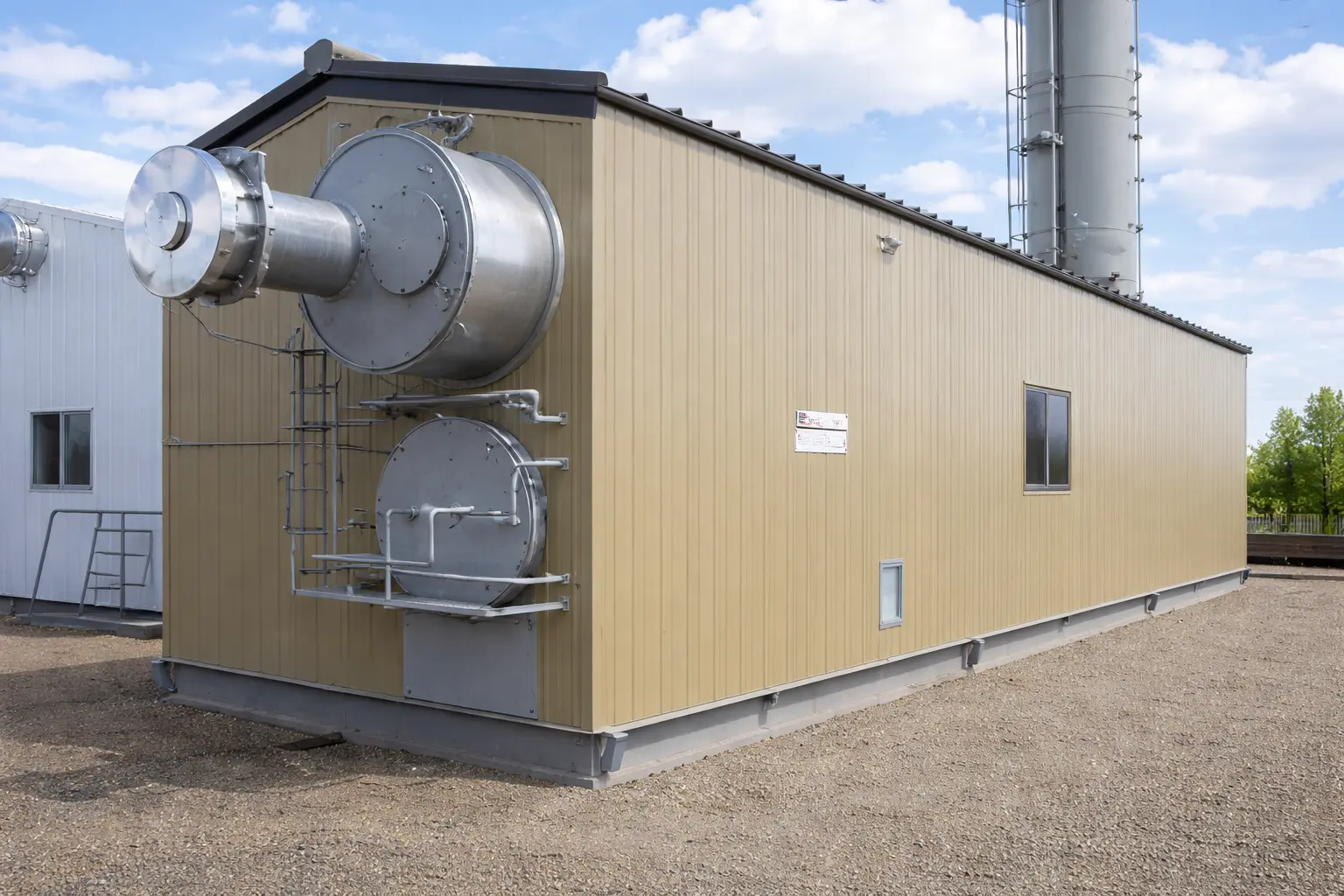
Gas Treating & Conditioning EPCM Services
Tundra Engineering provides integrated hydrocarbon gas treating and conditioning EPCM services supporting upstream, midstream, and industrial gas handling facilities across North America and the global energy industry. Our multidisciplinary teams help operators remove contaminants, manage moisture, and prepare gas streams for reliable processing, transportation, natural gas compression, or fuel use within oil and gas pipeline services infrastructure.
Gas treating systems must perform consistently under varying compositions and operating conditions, particularly in natural gas sweetening and sour gas sweetening applications. Tundra Engineering combines process simulation, field experience, and disciplined EPCM execution to design facilities that improve gas quality, enhance reliability, and maintain regulatory compliance. Whether supporting new installations or brownfield upgrades, our solutions are grounded in real operating environments.
Gas Treating Process & System Design
Effective gas conditioning requires careful integration of dehydration, filtration, separation, and contaminant removal technologies. Tundra Engineering develops fit-for-purpose treating configurations based on fluid properties, throughput requirements, and downstream specifications for gas sweetening units and natural gas sweetening process facilities.
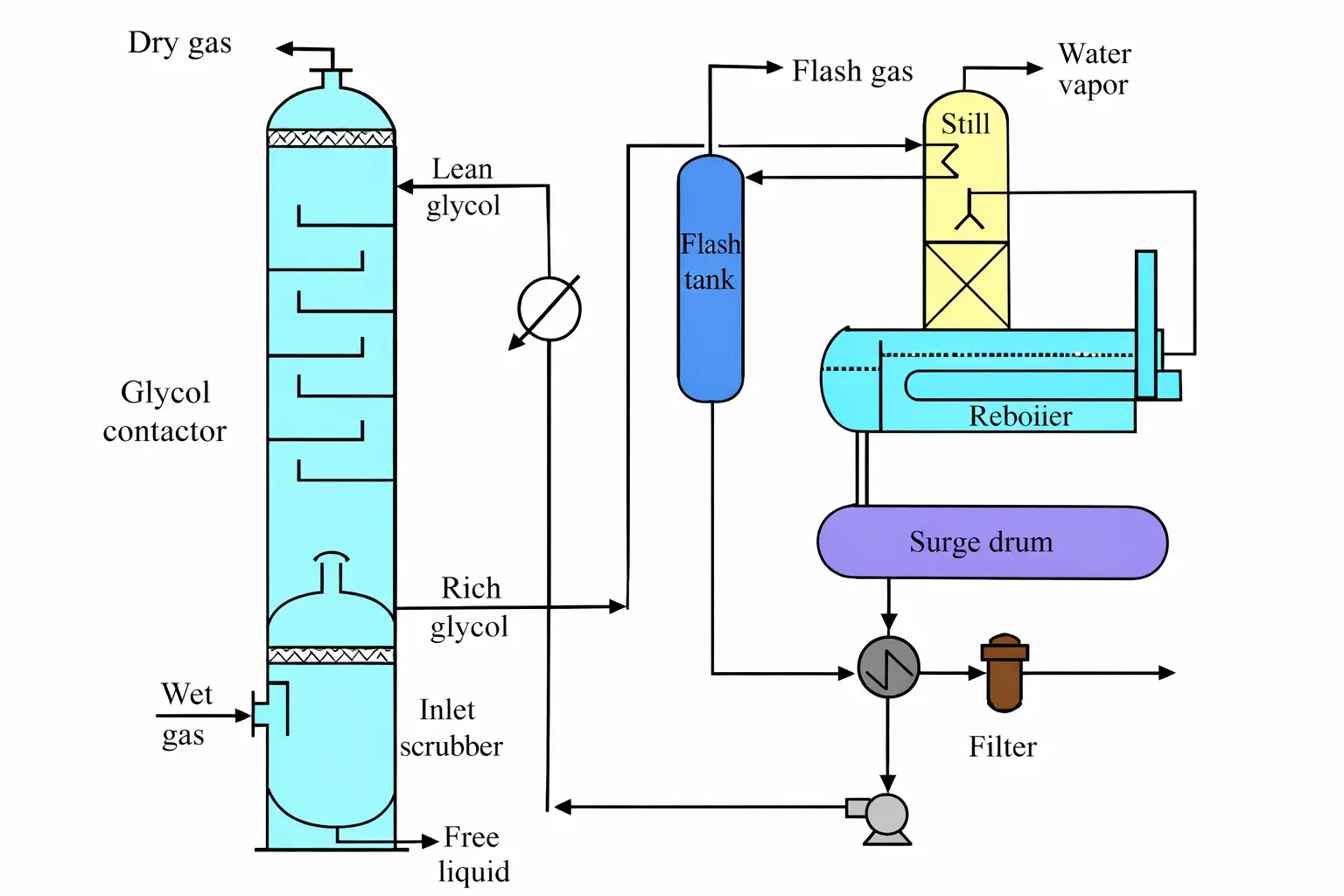
Our gas treating scope commonly includes:
- Gas dehydration systems (TEG and mechanical)
- Inlet separation and liquid slug handling
- Filtration and coalescing systems
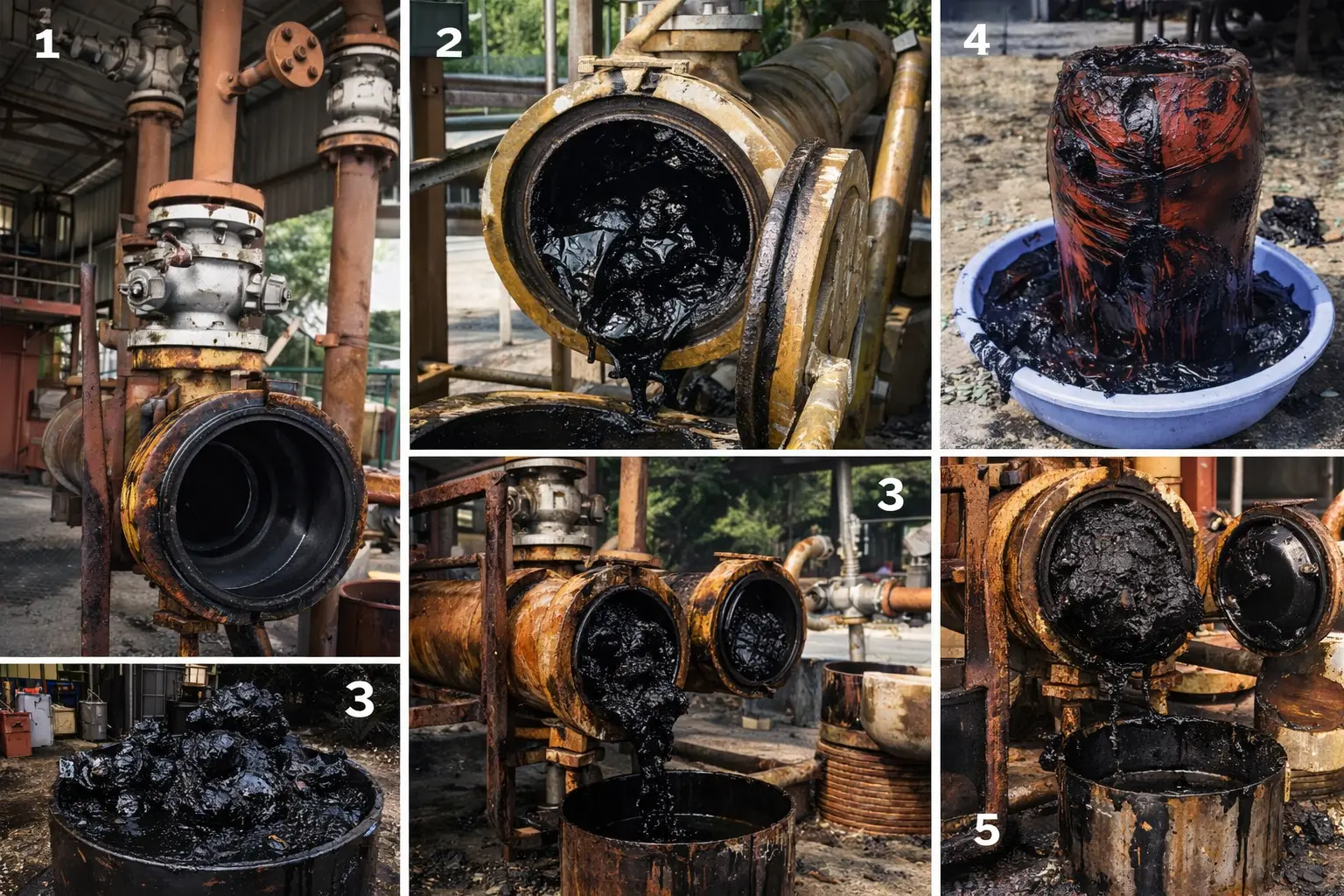
- Wax and asphaltene mitigation
- Fuel gas conditioning for engines and turbines
- Contaminant and solids removal
- Amine gas sweetening systems for sour gas sweetening and acid gas sweetening applications
During front-end and detailed design phases, our engineers evaluate process conditions, moisture content, and contaminant risks to ensure the treated gas meets pipeline engineering services requirements and downstream processing specifications. Designs align with applicable industry standards and operational best practices across oil and gas facilities.
Where process risk intersects with system performance, our team coordinates closely with our HAZOP Studies specialists to ensure hazards, safeguards, and operability considerations are fully addressed through a structured hazard and operability study (HAZOP).
EPCM Execution & Field Integration
Within our structured Engineering, Procurement, and Construction Management framework, Tundra Engineering delivers disciplined execution that maintains owner visibility and project control. Our teams support equipment specification, vendor coordination, constructability reviews, and commissioning readiness for gas sweetening units, natural gas compression systems, and integrated treating facilities.
We routinely assist greenfield developments, brownfield modifications, and Management of Change (MOC) programs where maintaining production continuity is critical. As part of Tundra Engineering’s EPCM delivery model, all treating solutions are engineered for practical field implementation rather than theoretical performance.
Reliability & Fuel Gas Quality Assurance
Proper gas conditioning is essential for protecting downstream equipment and ensuring stable plant operations. Tundra Engineering designs treating systems that improve moisture control, reduce contaminant carryover, and support consistent fuel gas quality for engines, compressors, and gas compression facilities.
Our lifecycle-focused approach emphasizes operability, maintainability, and long-term performance. By combining rigorous process engineering with structured EPCM delivery, we help operators reduce unplanned downtime and improve overall facility reliability.
What is hydrocarbon gas treating and conditioning?
Gas treating and conditioning removes moisture, liquids, hydrogen sulfide (H₂S), carbon dioxide (CO₂), and other contaminants from raw gas streams through processes such as natural gas sweetening, sour gas sweetening, and gas dehydration. Proper treatment improves equipment reliability, protects downstream systems, and ensures safe operation of oil and gas facilities.
When is gas dehydration required in gas processing?
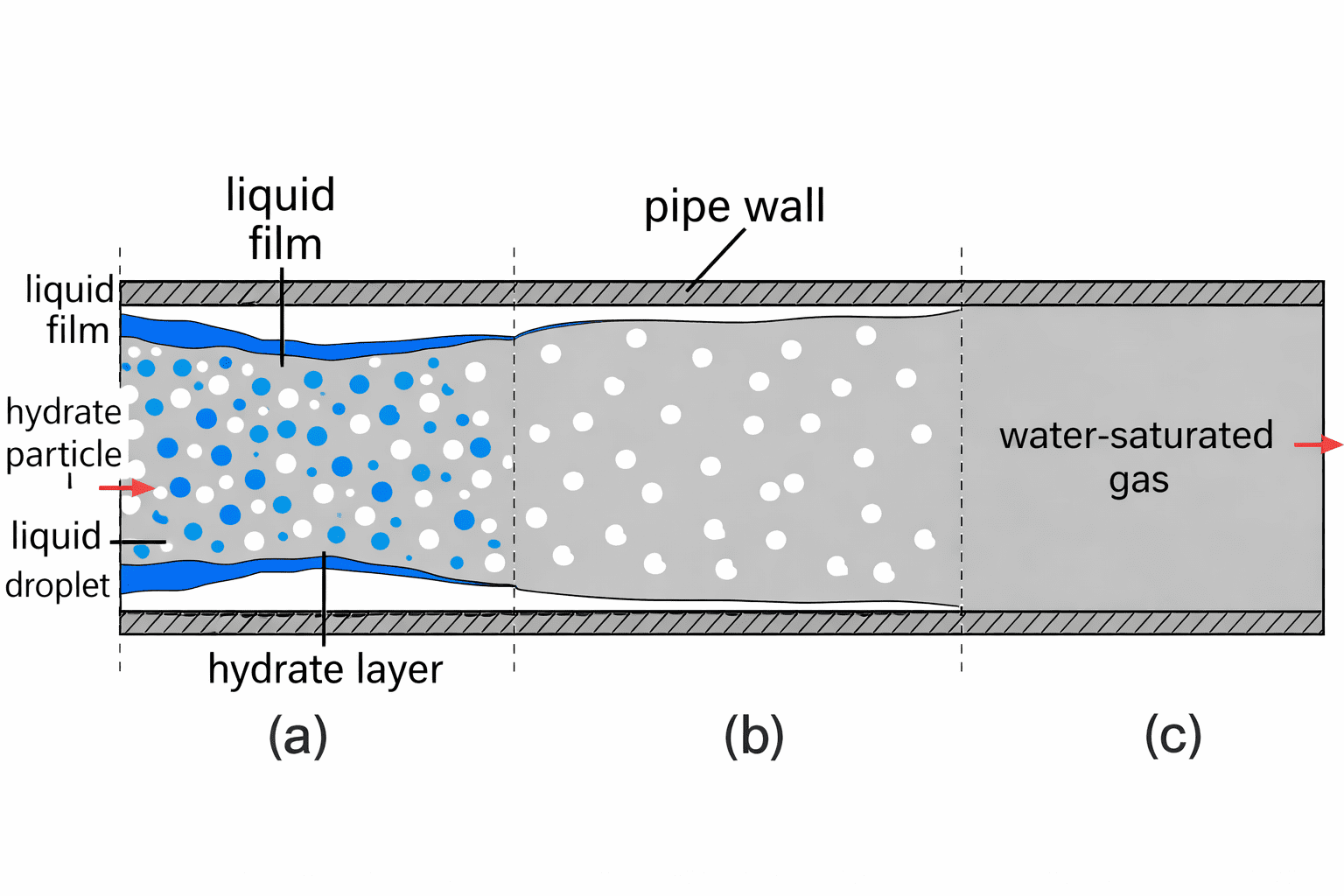
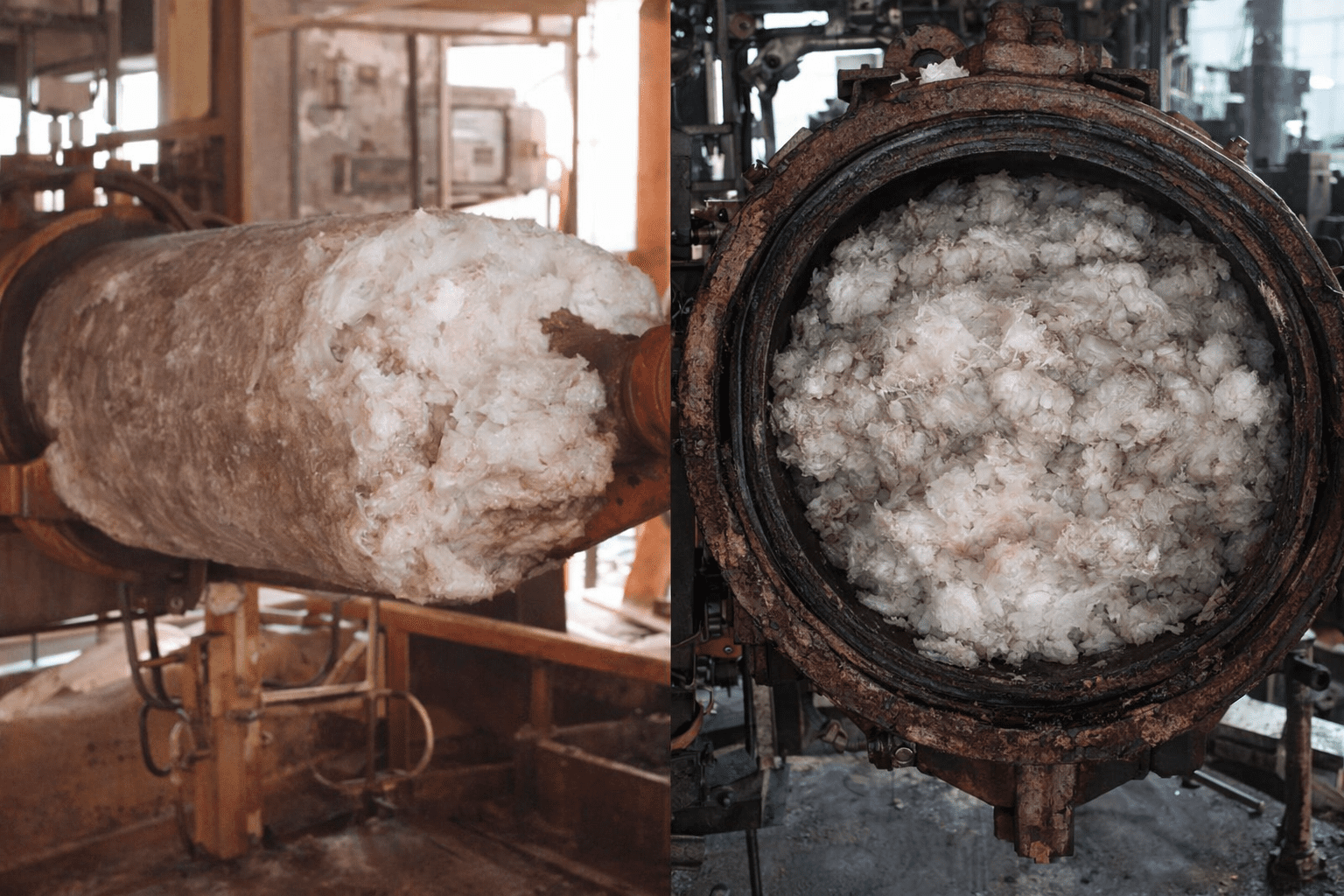
Gas dehydration is required when water vapor levels exceed pipeline or equipment limits. Removing moisture prevents hydrate formation, corrosion, and operational instability, helping gas plants, gas sweetening units, and natural gas compression facilities maintain reliable long-term performance.
How does EPCM delivery improve gas treating projects?
The EPCM model integrates process design, procurement coordination, and construction management under one framework. This approach improves schedule visibility, ensures proper equipment integration, and helps gas sweetening and natural gas sweetening process facilities achieve reliable performance in real operating environments.