Automation and Control Systems
Tundra Engineering designs, programs and commissions the control systems that run energy facilities across North America. From our offices in Calgary, Alberta and Houston, Texas, our automation group works on compressor stations, oil batteries, gas plants, wellsites and pipeline infrastructure, covering greenfield builds, brownfield tie-ins and control system replacements on producing assets.
Automation is rarely a standalone scope. Control logic depends on the process design it is regulating and on the power and instrumentation that feed it, which is why our automation work is delivered inside the same engineering team that handles the process and the electrical design.
Control System Design and PLC Programming
We develop the control philosophy first, then the logic that implements it — I/O and panel design, PLC platform selection, alarm rationalization and shutdown logic. Everything is documented to a standard that survives staff turnover. PLC System Design and Programming
RTU Systems and Field Telemetry
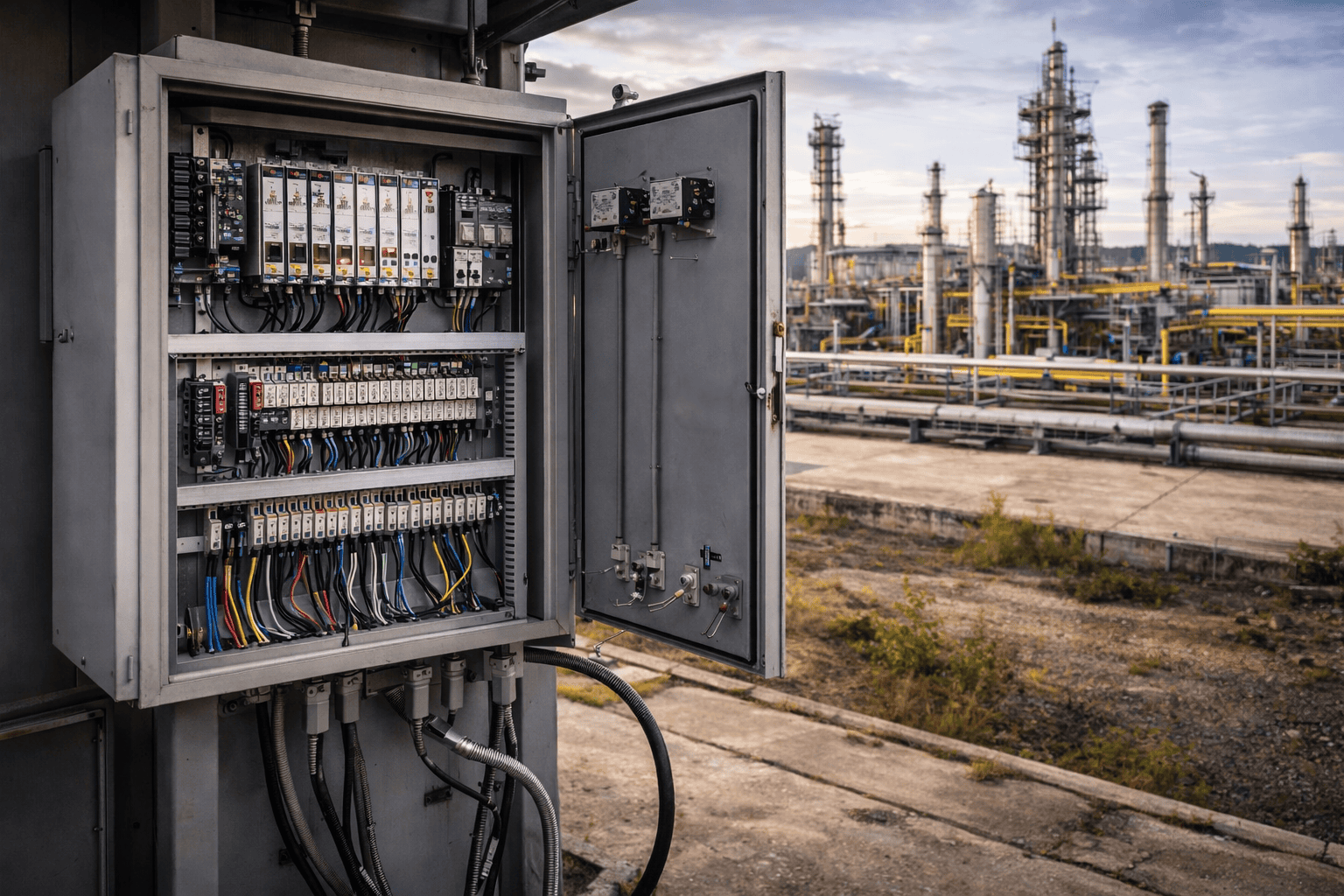
Distributed assets need reliable data before they need clever analytics. We specify and configure remote terminal units, document register maps and build secure telemetry paths back to the control room over cellular, radio or satellite links. RTU System Design and Programming
SCADA and Remote Operations
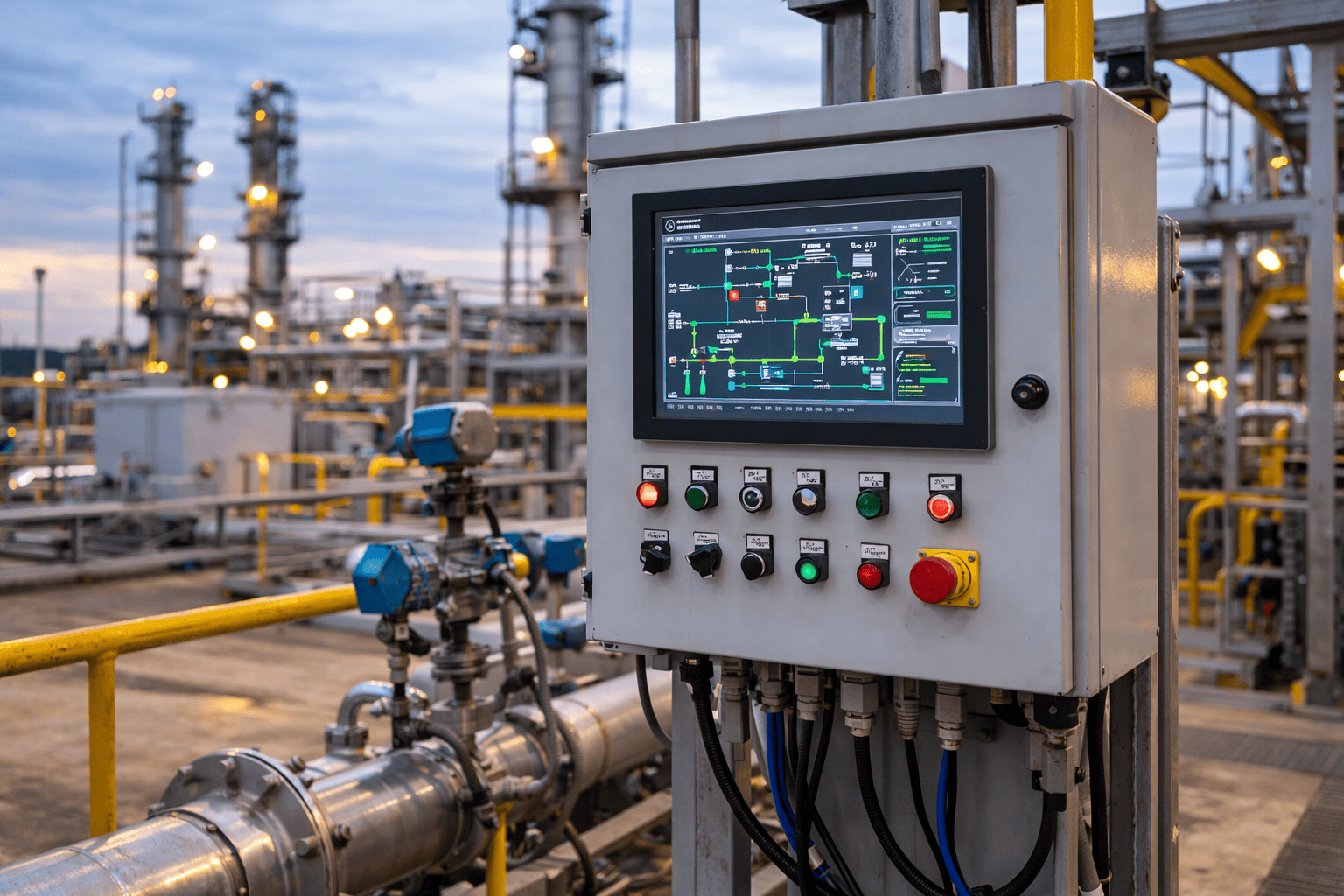
We design SCADA architecture, build and rationalize operator screens, configure historians and trending, and plan the platform upgrades that keep a producing asset visible while the system underneath it is replaced. Reliable SCADA data is also the foundation for AI in production operations. SCADA & Remote Operations Engineering
Field Programming, Commissioning and Validation
Our engineers go to site for loop checks, point-to-point verification, functional and cause-and-effect testing, and loop tuning under real operating conditions. Support continues through startup and into the first weeks of operation. Field Programming, Automation & eCommissioning Services
Lifecycle Support, Upgrades and Management of Change
Control systems drift. Logic gets patched at three in the morning and never documented, setpoints change without approval, and the as-built package stops matching the plant. We provide ongoing automation support, obsolescence planning for aging hardware, and controlled upgrade execution governed by a proper management of change process, so every logic revision is reviewed, tested and recorded.
Integrated with Electrical and Process Engineering
Automation scopes are delivered alongside our electrical engineering group, so power distribution, area classification, instrumentation and control logic are designed together rather than reconciled at commissioning. Where a control change is driven by a capacity or process constraint, the work is coordinated with our gas processing and process design teams so the logic reflects the real operating envelope.
Talk to Our Automation Team
Automation and control systems are one discipline within Tundra’s full EPCM delivery model. Whether you need a single PLC reprogrammed or a complete control system replacement across a producing field, our teams can scope the work. Contact us to discuss your facility.
What are industrial control systems in energy facilities?
Industrial control systems integrate instrumentation, PLCs, RTUs, and supervisory platforms to manage automation, process control, and operational visibility within energy facilities.
How do PLC and RTU systems support control architecture?
PLCs provide localized, high-speed process control, while RTUs enable remote telemetry and supervisory monitoring across distributed assets.
When should a facility upgrade its control system?
Upgrades are recommended when legacy platforms limit scalability, communication reliability declines, or facility expansions require modern automation architecture.