RTU System Design, Programming & Integration | Calgary & Houston
Tundra Engineering provides advanced RTU systems engineering and integration services for oil and gas facilities across North America, coordinated between our Calgary, Alberta and Houston, Texas offices. Our team designs and deploys remote terminal unit (RTU) systems that support secure telemetry communication, real-time data acquisition, and reliable remote monitoring for distributed industrial assets.
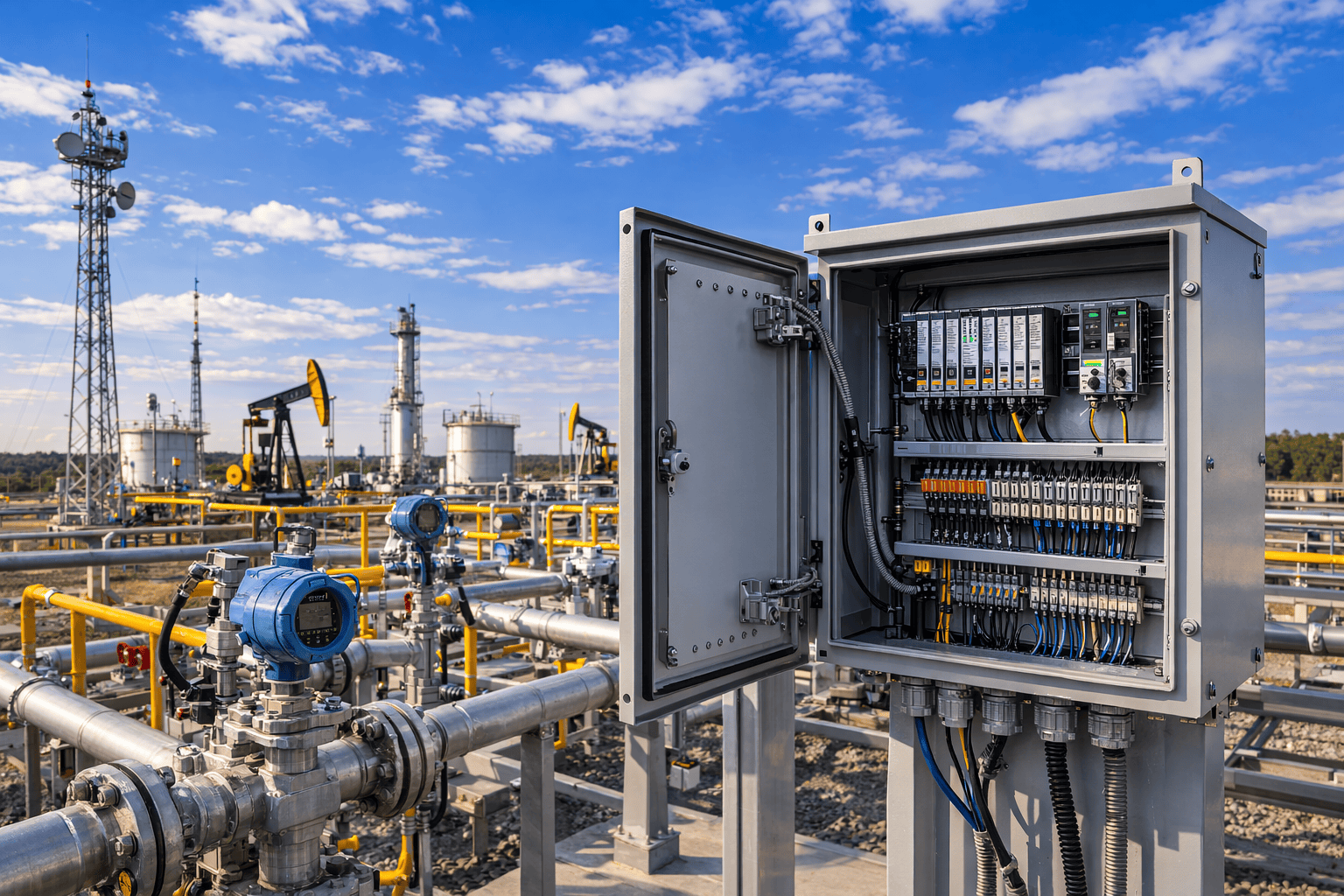
RTU systems are critical in upstream and midstream operations where wellheads, pipeline networks, tank farms, and remote production sites require continuous operational visibility. By integrating RTU hardware with field instrumentation, flow measurement systems, pressure transmitters, and control panels, we enable centralized SCADA control and data-driven operational management.
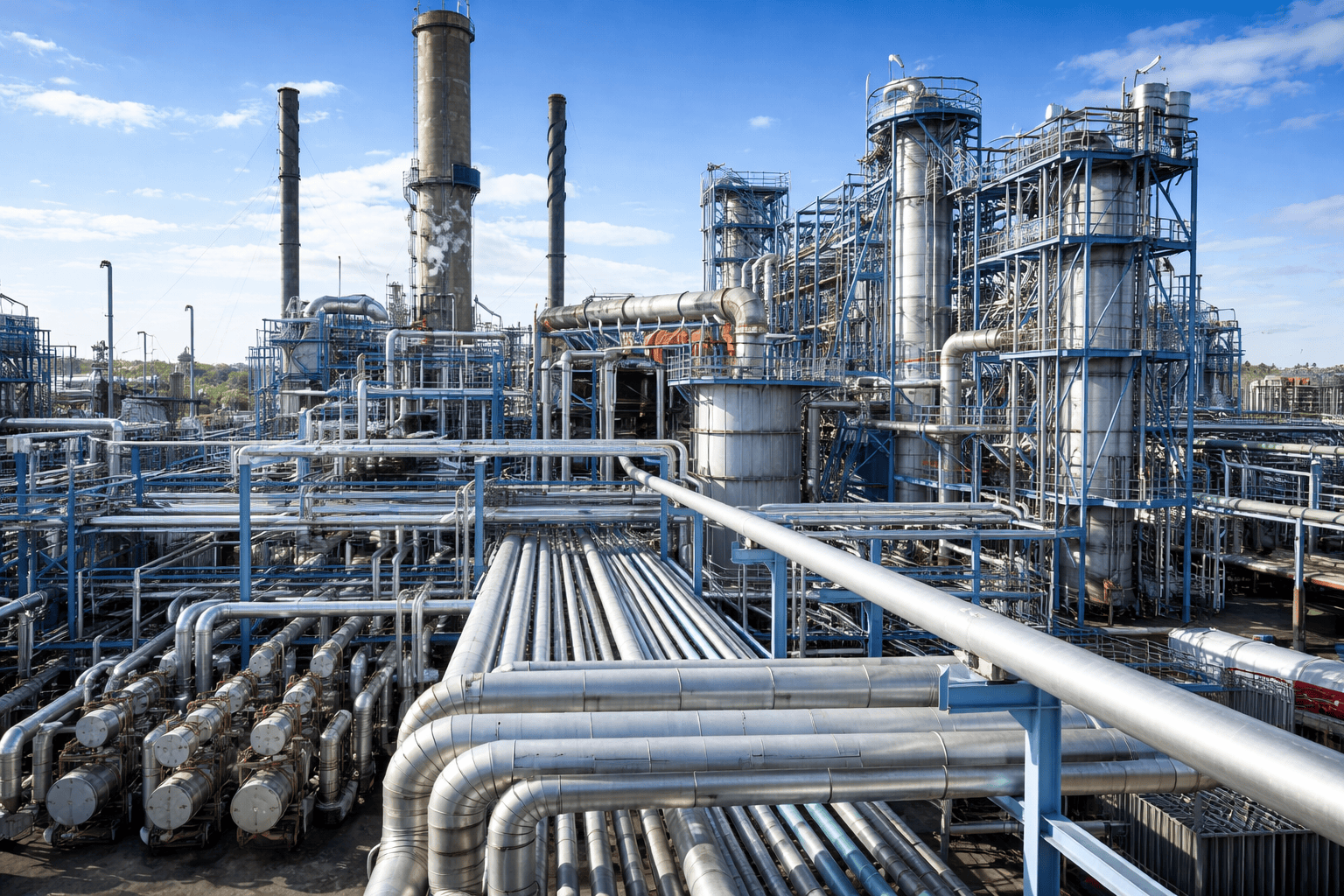
Through Tundra Engineering’s EPCM framework, RTU system implementation is coordinated with detailed engineering, instrumentation design, power distribution, panel fabrication, and commissioning support. This ensures that automation architecture aligns with facility design requirements, regulatory expectations, and long-term asset lifecycle strategies.
RTU Integration & SCADA Communication Systems
Effective RTU deployment requires seamless communication between field devices and supervisory platforms. Tundra Engineering supports:
- RTU configuration and programming
- SCADA system integration
- Industrial telemetry system design
- Communication protocol implementation (Modbus, DNP3, TCP/IP)
- I/O mapping and signal validation
- Alarm management and remote control logic
Our RTU solutions enhance industrial automation systems by enabling remote diagnostics, production monitoring, and secure data transmission across geographically dispersed facilities. Where facilities require coordinated local control, we integrate RTU infrastructure with PLC programming services to ensure stable interaction between high-speed local automation and remote supervisory control.
Field Deployment, Commissioning & System Optimization
RTU systems must operate reliably in remote and often harsh operating environments. Tundra Engineering provides complete lifecycle support including factory acceptance testing (FAT), site acceptance testing (SAT), loop verification, and field commissioning.
For brownfield expansions and automation upgrades, we evaluate legacy telemetry networks, replace outdated communication hardware, and modernize RTU configurations to improve cybersecurity resilience and system reliability. Our engineers also assess power supply design, communication redundancy, and signal integrity to reduce downtime and maintain continuous operational data flow.
Industrial Automation Reliability & Data Visibility
Modern oil and gas operations depend on accurate field data. Properly engineered RTU systems improve operational transparency, reduce manual site visits, and support predictive maintenance strategies.Tundra Engineering designs scalable RTU architectures that integrate seamlessly with control systems, measurement devices, and enterprise-level SCADA platforms.
By combining remote terminal unit expertise with structured engineering oversight, we deliver automation solutions that strengthen field visibility, improve asset performance, and support safe, compliant facility operation.
Clients often bundle this service into a full EPCM scope so design, procurement and construction stay with one accountable team.
What is an RTU system in oil and gas operations?
An RTU system is a remote terminal unit-based automation solution that collects field data, transmits information to SCADA systems, and enables remote monitoring of distributed assets.
How do RTU systems integrate with SCADA platforms?
RTUs communicate using industrial telemetry protocols to transmit real-time operational data to centralized SCADA systems for monitoring and control.
When should an RTU system be used instead of a PLC?
RTUs are typically used for remote field applications and telemetry-based monitoring, while PLCs are better suited for high-speed local control within facilities.